After a busy day of yard work or a hard session at the gym, sore muscles are common. Lots of families grab a hot water bottle or a bag of frozen peas from the freezer. Warmth and cold are two of the easiest comfort aids to use at home, yet many people are unsure which one suits their ache. Knowing how each one is usually used can help you choose with more confidence.
When Cold Is Often the Choice
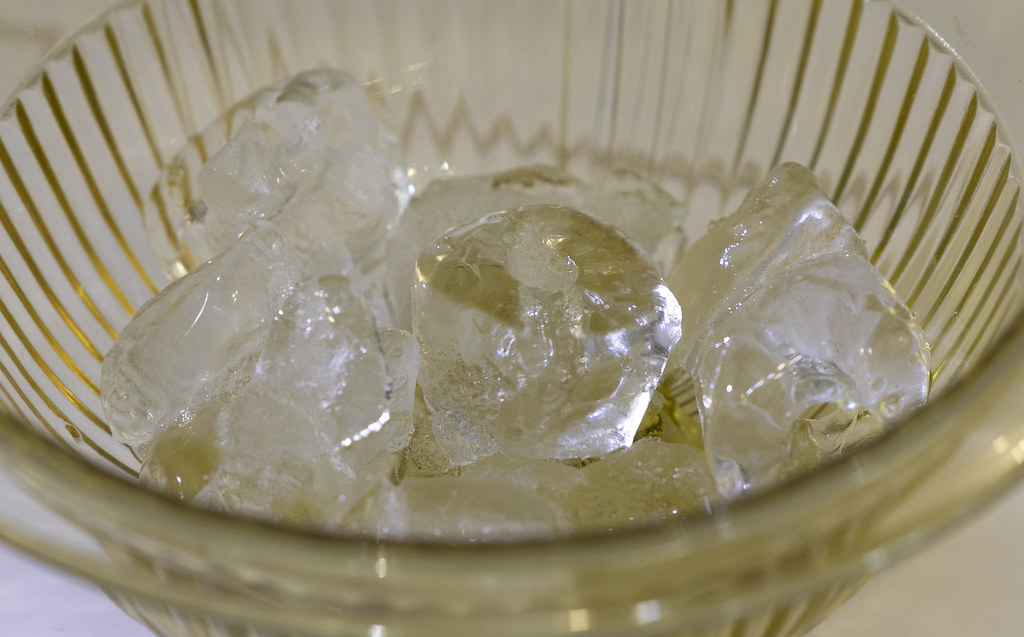
Many people turn to cold for new knocks, sprains and strains, mainly in the first 24 to 48 hours, when the spot may be puffy or feel hot. Cold can dull the area and feel calming. An ice pack, a gel pack from the freezer or a bag of frozen vegetables all do the job.
- Always put a thin cloth or towel between the cold pack and your skin.
- Use it for short spells, and give your skin time to warm back up.
- Take it off if your skin turns very red, white or loses feeling.
When Warmth Is Often the Choice
Warmth tends to suit stiff, tight muscles and aches that have lasted a while, rather than a fresh injury. Gentle heat can help muscles loosen and relax. You might try a warm bath or shower, a wheat bag heated in the microwave, a covered hot water bottle or a stick-on heat patch.
Heat should always feel pleasantly warm, not burning. Do not use it on a swollen area or broken skin, and never fall asleep with it on.
Stay Safe With Warm and Cold Packs
Some people need extra care with both warmth and cold. This includes anyone with numb patches of skin, poor blood flow or diabetes, plus babies, young children and older adults. Look at your skin often while using a pack, and read the directions that come with any product. When in doubt, ask a pharmacist or doctor before you start.
Combine Comfort With Light Movement
Warm and cold packs bring short-term relief, but they help most alongside other healthy habits. Easy movement, gentle stretches, good posture and enough rest all shape how your body feels. Some people like a warm shower first thing, since it makes a few morning stretches feel easier.
At WhatsOnTech we remind readers that bodies react in their own way, so pay attention to what helps you most. The NHS guide to sprains and strains has more detail, and our pain management section offers other guides. See a doctor or physiotherapist if an ache after a fall or injury is not getting better, if swelling is severe, or if the pain keeps returning.
This article is general information only, not medical advice.