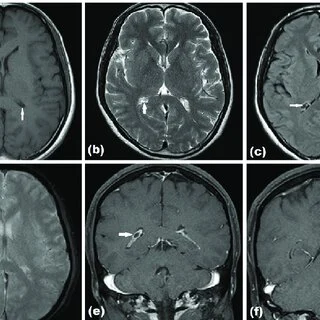
Neuroradiology is a specialized branch of diagnostic radiology that examines the brain, spine, and nervous system. Radiologists use magnetic resonance imaging (MRI), computed tomography (CT) scans, cerebral angiography, and myelography to evaluate neurological conditions, including tumors, strokes, and spinal abnormalities. Because these imaging techniques reveal detailed anatomical structures, physicians use the findings to support diagnoses and guide treatment planning. Here is more information about neuroradiology and why it matters for your health:
Understanding Neuroradiology
Neuroradiology is a specialized field of diagnostic radiology that examines the brain, spine, and nervous system. This specialty uses advanced imaging techniques to evaluate anatomical structures, while radiologists interpret findings associated with neurological conditions. Because neurological disorders affect different areas of the nervous system, imaging procedures vary according to the patient’s symptoms and medical history.
Neuroradiologists receive specialized training in interpreting images of the brain, spine, and surrounding structures. They examine scans for abnormalities, including tumors, vascular changes, and spinal conditions that may affect neurological function. Imaging findings provide diagnostic information, and physicians use these results alongside clinical evaluations to determine appropriate treatment recommendations.
Diagnosing Neurological Conditions
Neuroradiology imaging helps physicians evaluate conditions affecting the brain, spine, and nervous system. MRI, CT scans, and other specialized procedures provide anatomical information, while imaging findings help identify abnormalities associated with neurological symptoms. Because different conditions affect distinct structures, physicians select imaging techniques based on medical history and clinical findings. Common conditions evaluated through neuroradiology include:
- Identifying brain tumors and lesions
- Detecting strokes and vascular abnormalities
- Evaluating herniated spinal discs
- Examining spinal cord abnormalities
- Assessing neurological injuries
Exploring Imaging Exams
Neuroradiology involves several imaging procedures that examine different structures within the brain, spine, and nervous system. MRI uses magnetic fields and radio waves to produce detailed images without ionizing radiation. Physicians use brain and spine MRI scans to evaluate neurological symptoms, while imaging findings provide information about soft tissues and abnormalities.
CT uses X-rays to produce cross-sectional images of the body. Head CT scans help physicians evaluate injuries, bleeding, and certain neurological conditions that require prompt assessment. Because CT imaging provides detailed anatomical information relatively quickly, physicians frequently use it when investigating suspected head injuries or strokes.
Cerebral angiography examines blood vessels supplying the brain, helping physicians identify aneurysms, blockages, and other vascular abnormalities. Myelography involves introducing contrast material into the space surrounding the spinal cord to evaluate spinal structures and nerve roots. These procedures provide different diagnostic information, and physicians select examinations according to the patient’s symptoms and medical history.
Supporting Neurological Health
Neurological conditions may cause symptoms such as recurring headaches, back pain, numbness, or changes in coordination. Neuroradiology provides detailed images of the brain and spine, while physicians use these findings to investigate possible causes. Because symptoms vary between conditions, imaging results are evaluated alongside medical history and physical examination findings. Follow-up imaging also helps physicians monitor certain neurological conditions and assess changes over time.
Schedule a Neuroradiology Exam
Neuroradiology imaging provides detailed information about the brain, spine, and nervous system. MRI, CT scans, cerebral angiography, and myelography help physicians evaluate neurological conditions, while each procedure examines different anatomical structures. Because imaging needs vary, healthcare providers recommend specific examinations based on symptoms, medical history, and clinical findings. Schedule a neuroradiology exam today to complete your recommended imaging evaluation and discuss the findings with your healthcare provider.
Browse more everyday wellness guides on WhatsOnTech.