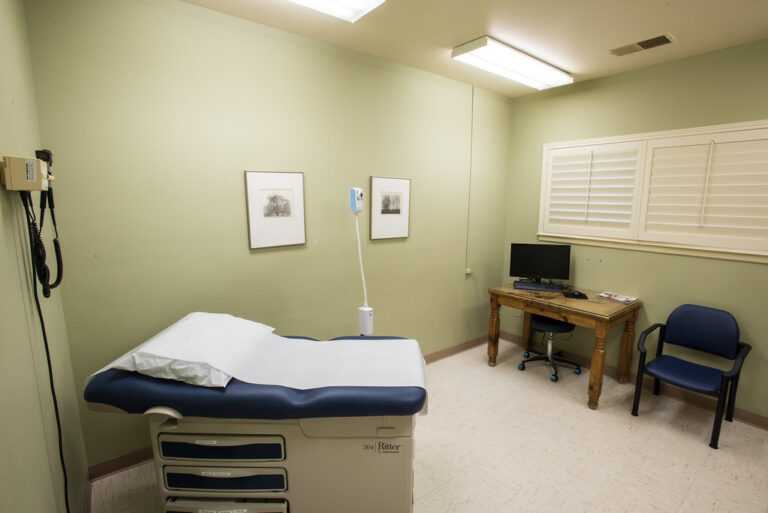
A gynecologist appointment provides an opportunity to discuss reproductive health, menstrual changes, and other concerns affecting gynecological wellness. Common topics include irregular periods, pelvic pain, contraception, fertility planning, and menopause symptoms. Because individual health needs vary, providers review symptoms and medical history before recommending screenings, diagnostic testing, or treatment options. Here is more information about common questions to ask your gynecologist:
Discussing Menstrual Cycle Changes
Menstrual cycles vary throughout life, and changes in timing, duration, or bleeding patterns may raise questions about reproductive health. Heavy or irregular periods sometimes occur alongside conditions such as uterine fibroids, polycystic ovary syndrome (PCOS), or hormonal changes. A gynecologist evaluates these symptoms through medical history, menstrual tracking, and additional testing when appropriate.
Patients may ask about typical cycle lengths, possible causes of irregular bleeding, and available treatment options. Tracking menstrual patterns provides information about cycle frequency, bleeding intensity, and associated symptoms. Because menstrual concerns vary, gynecologists review individual findings and recommend appropriate follow-up care.
Exploring Birth Control Options
Choosing a birth control method involves reviewing medical history, reproductive goals, lifestyle preferences, and potential side effects. Gynecologists explain hormonal and non-hormonal contraception options, including how each method works and its recommended use. Because individual responses vary, providers also discuss effectiveness, possible side effects, and appropriate methods for changing contraception. Common birth control options include:
- Taking oral contraceptives to prevent pregnancy through daily hormonal medication.
- Using intrauterine devices for long-acting hormonal or non-hormonal contraception.
- Receiving contraceptive implants for extended pregnancy prevention through hormone release.
- Using barrier methods to prevent sperm from reaching an egg.
- Receiving contraceptive injections for pregnancy prevention through scheduled hormone administration.
Discussing Pelvic Pain Symptoms
Pelvic pain varies in severity and duration, sometimes occurring alongside menstrual changes or other reproductive health concerns. Gynecologists review symptom patterns, pain location, medical history, and possible causes, including endometriosis or uterine fibroids. Because persistent pelvic pain has several possible causes, diagnostic evaluations may include physical examinations, imaging studies, or additional procedures. Depending on the diagnosis, treatment options include medication, symptom management, or surgical procedures such as da Vinci robotic surgery.
Discussing Perimenopause and Menopause
Perimenopause involves hormonal changes that affect menstrual cycles, sleep patterns, mood, and other aspects of reproductive health. Symptoms vary between individuals, and some women experience changes several years before menopause begins. Gynecologists review symptoms, medical history, and available management options based on individual health needs.
Menopause appointments also provide opportunities to discuss hormone therapy, urinary incontinence, and changes in sexual health. Because treatment needs differ, providers evaluate symptoms and explain appropriate options, including potential benefits and risks. Common topics to discuss include:
- Identifying hormonal changes: Reviewing irregular periods, hot flashes, and other symptoms associated with perimenopause.
- Managing sleep disturbances: Discussing nighttime sweating, interrupted sleep, and changes in sleep quality.
- Addressing mood changes: Evaluating emotional symptoms that occur during hormonal transitions.
- Exploring hormone therapy: Reviewing available treatments, including bioidentical hormone therapy, and their potential risks and benefits.
- Evaluating urinary symptoms: Discussing bladder control changes, urinary incontinence, and available management approaches.
Schedule Your Gynecologist Visit
Preparing questions before a gynecologist appointment helps patients discuss symptoms, reproductive health concerns, and available care options. Common discussion topics include menstrual changes, contraception, pelvic pain, menopause symptoms, and fertility planning. Because individual health needs vary, gynecologists review medical history and symptoms before recommending appropriate evaluations or treatments. Schedule a gynecology appointment today to discuss your concerns and receive guidance tailored to your reproductive health needs.
Browse more everyday wellness guides on WhatsOnTech.