Cancer resection involves removing tissue, and it typically starts with a detailed review of imaging and lab results. A general surgeon works with other specialists, adjusting plans as new findings appear. Some procedures focus on diagnosis, while others remove tumors and reconstruct affected areas. This is the surgeon’s role in cancer resection procedures:
Taking Biopsies
Biopsies help define whether a suspicious area contains cancer, and they guide treatment decisions. A general surgeon reviews imaging and selects a biopsy method that matches the tumor’s location. Some biopsies use a small incision, while others use a needle and imaging guidance. When tissue samples reach the pathology lab, specialists examine the cells and describe their behavior.
Removing Tumors
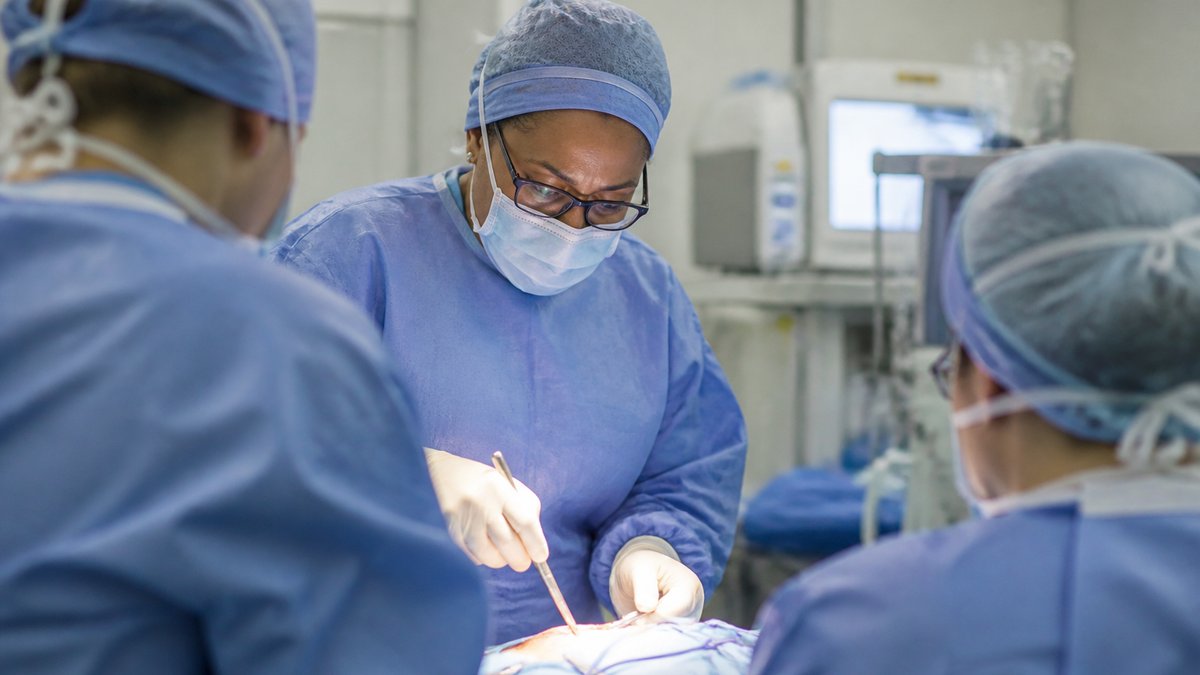
Tumor removal focuses on taking out cancerous tissue while protecting nearby structures. The general surgeon studies the tumor’s size and position, and the surgeon evaluates how close it lies to nerves or vessels. Some tumors sit in the abdomen, and others affect the skin or soft tissue. Resection may involve nearby lymph nodes, and the goal is to remove tissue that shows signs of spread. After surgery, the specimen goes to pathology, and results support further treatment planning. This surgery may involve:
- Removing the primary tumor, which is the main mass of cancerous tissue.
- Excising a margin of normal tissue around the tumor to reduce local recurrence risk.
- Sampling or removing lymph nodes that drain the tumor region.
- Addressing involved structures, such as nearby organs or muscle groups.
- Planning reconstruction when tumor removal changes body shape or function.
Performing Surgical Techniques
Surgical technique affects recovery, and it shapes how much healthy tissue remains after resection. A general surgeon chooses between open and minimally invasive approaches, each with specific advantages. Since open surgery allows direct access, it is useful when tumors involve multiple organs. Technique choice responds to tumor features, and it also reflects the patient’s overall health.
Margins guide how the surgeon dissects tissue, and they influence the pathologist’s review. During resection, the surgeon identifies key landmarks and separates the tumor from nearby structures. Some cases use intraoperative imaging or navigation, and these tools help define resection lines. When pathology reports a close or positive margin, further treatment may follow.
Hemostasis and tissue handling shape outcomes, and they affect healing. The surgeon controls bleeding throughout the procedure, and careful technique protects nerves and vessels. Gentle handling of organs limits swelling, and it reduces the risk of postoperative complications. Drains sometimes exit through small incisions, and they remove fluid that collects after surgery.
Using Grafts
Grafts help restore form and function after tumor removal, and they support wound closure. When a large area of tissue is removed, the general surgeon evaluates options for coverage or reinforcement. Skin grafts move surface tissue to a new site, and they protect underlying structures. In other cases, mesh or other materials support weakened abdominal walls after large resections.
Planning for graft use begins before surgery; it typically involves imaging and physical examination. The surgeon reviews potential donor sites and weighs the impact on those regions. During reconstruction, grafts must receive adequate blood supply, and they must sit without tension. Dressings protect the grafted area, and follow-up visits track healing and function.
Find a General Surgeon Today
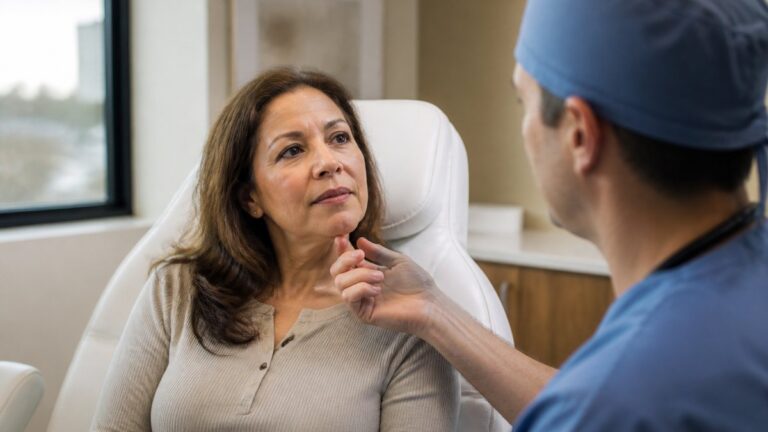
Patients benefit from meeting a general surgeon who understands both tumor removal and reconstruction. During a consultation, the surgeon reviews medical history and the surgeon explains available surgical options. Questions about recovery, margins, and graft use receive direct answers tailored to the case. A detailed plan outlines preoperative testing, operative steps, and follow-up visits.