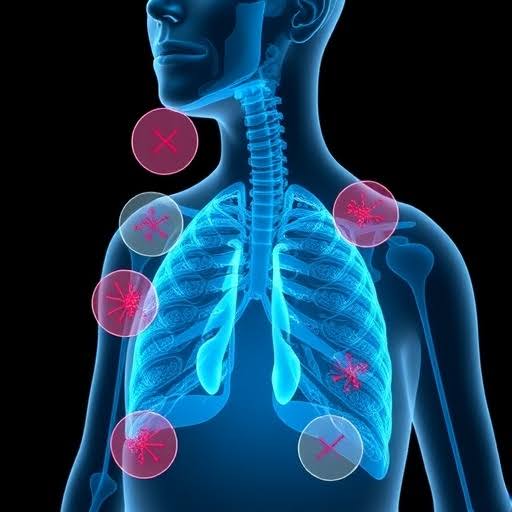
When the heart muscle does not receive enough oxygen-rich blood, you can develop chest pain, a condition called angina. It often feels like pressure, squeezing, or tightness in the chest. Angina is typically a symptom of an underlying heart condition, such as coronary artery disease, causing painful symptoms from the arms up through the neck. These symptoms can affect your ability to exercise, work, or complete daily tasks. Identifying angina early gives you and your doctor more time to evaluate your heart health and discuss management options.
Cardiology Health Assessments
A health assessment helps your doctor build a complete picture of your cardiovascular health. During this visit, your doctor will review your medical history, family history, and current medications. They may also ask about your symptoms, including when they occur and how long they last. Their questions will cover lifestyle factors like:
- Smoking
- Physical Activity
- Diet
- Alcohol Use
- Stress Levels
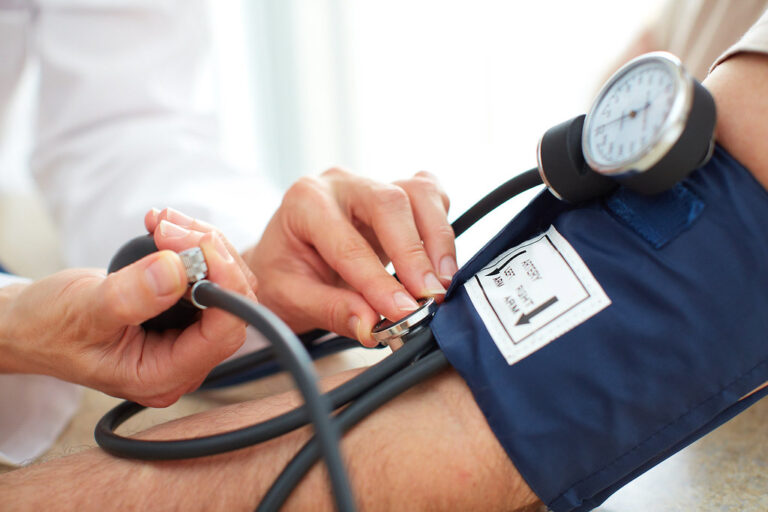
Certain health conditions can increase your risk of angina and heart disease, including high blood pressure, high cholesterol, diabetes, and obesity. Your doctor will often check your blood pressure and order blood tests to evaluate cholesterol and blood sugar levels. Some risk factors, such as age and genetics, cannot be changed, but others are manageable through lifestyle adjustments and medical care. By reviewing these details, your doctor can determine whether further testing is appropriate.
Cardiology Screening Options
Screening tests provide information about how your heart is functioning, and your doctor may recommend one or more tests based on your health assessment. These tests support preventive care by helping your doctor identify changes in heart function earlier. An electrocardiogram (EKG) records your heart’s electrical activity, and it involves placing small sensors on your chest, arms, and legs. This quick, painless test can show irregular heart rhythms and signs of reduced blood flow.
An echocardiogram uses sound waves to create images of your heart, letting your doctor see its size and shape and how well the chambers and valves are working. The test is noninvasive, and it typically takes less than an hour. A stress test measures how your heart responds to physical activity. You may walk on a treadmill or ride a stationary bike while your heart rate, blood pressure, and rhythm are monitored. If you can’t exercise, your doctor may use medication to simulate the effects of exercise on your heart.
Cardiology Diagnosis and Treatment
While stable angina is the most common type, screening test results help your doctor determine whether you have angina and which type you have. Stable angina usually occurs during physical exertion or emotional stress and follows a predictable pattern. Symptoms typically ease with rest or medication. Unstable angina is less predictable; it can occur at rest or with minimal activity and often doesn’t improve with rest. Unstable angina is usually a medical emergency that requires immediate attention.
Variant angina, also called Prinzmetal angina, results from a spasm in the coronary arteries. It often occurs at rest, often at night or early in the morning. Microvascular angina affects the heart’s smallest blood vessels, but standard tests may not detect it. Treatment depends on the type of angina and your overall health.
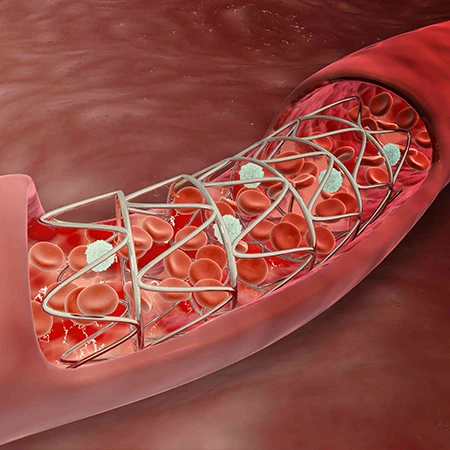
Your doctor may recommend lifestyle changes, such as quitting smoking, eating a heart-healthy diet, and increasing physical activity. They may also prescribe medications to improve blood flow or reduce the heart’s workload. In some cases, your doctor will discuss angioplasty with stenting, or they may recommend coronary artery bypass surgery.
Get Screened for Angina
Early detection lets you and your doctor address heart health concerns earlier, often before symptoms are too serious. A cardiologist can review your risk factors, evaluate your symptoms, and recommend appropriate screening tests. To learn about your heart health, contact a cardiologist to ask about your cardiovascular screening options. Seek emergency care right away if you experience sudden, severe, or worsening chest pain.