At nearly every medical visit, a cuff is strapped to your arm and someone reads out a pair of numbers. Blood pressure is one of the easiest and most valuable ways to check on your heart, yet plenty of people are unsure what the figures actually tell them. At WhatsOnTech we want to clear that up in everyday words, so your next appointment feels less puzzling and you can ask sharper questions.
What the Reading Shows
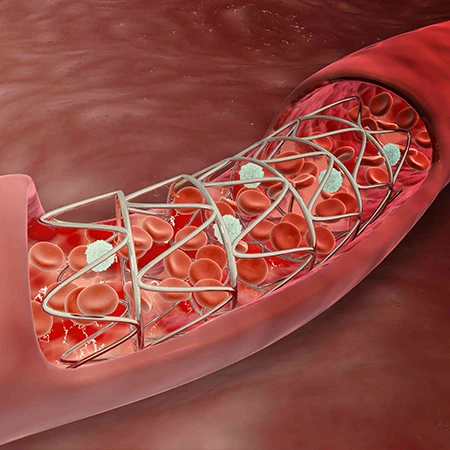
Blood pressure is the push of blood against the inside walls of your arteries each time your heart pumps. It goes up and down naturally during the day with movement, worry, rest and even chatting. One reading is only a moment in time, not the full picture. For that reason, your provider may take several readings or ask you to measure at different times before deciding anything.
Making Sense of the Two Numbers
- The upper number, known as systolic pressure, shows the force when your heart squeezes and sends blood out.
- The lower number, known as diastolic pressure, shows the force while your heart relaxes between beats.
Results are written with one number above the other and measured in millimetres of mercury. Both figures are important, and your healthcare provider can tell you which range is right for your age and general health.
Why Long-Term Readings Matter
Raised blood pressure that lasts for months or years often has no warning signs, which is why it is sometimes called a silent problem. Over time, it can strain the heart, blood vessels, kidneys and brain. Checking regularly helps catch changes early, when healthy habits and medical advice can help most. Being active, eating lots of vegetables, cutting back on salt and handling stress well all support healthy numbers. The NHS guide to high blood pressure explains more.
How to Check at Home
A home monitor can help you follow trends between appointments. For more dependable results:
- Rest quietly for around five minutes first
- Sit with feet flat, back supported and your arm at heart height
- Skip caffeine, exercise and smoking for a little while before
- Measure at roughly the same times daily and record each result
- Choose a cuff that fits your upper arm correctly
Take your notes and your monitor to your next visit so your provider can confirm it reads accurately. Many pharmacies also check blood pressure for free.
Knowing your numbers lets you play an active part in caring for your heart. Track them and discuss them with a professional. If a very high reading comes with chest pain or breathing trouble, get emergency help at once. Find more in our heart health articles.
This article is general information only and is not medical advice.