When days get hectic, sleep is often the first thing we cut. Yet a good night of rest shapes how we think, feel and cope. Regular, quality sleep supports your mood, your concentration, your energy and the body’s natural repair work. At WhatsOnTech we like to remind families that you do not need a flawless routine. A few simple habits that you repeat most evenings can make a noticeable change.
Stick to Steady Sleep and Wake Times
Heading to bed and getting up at about the same hour every day helps tune your body clock. Try not to let weekends drift too far from your usual pattern, because large swings can leave you sluggish when the week starts again. Waking at a fixed time is often an even stronger anchor than a set bedtime.
If you would like an earlier bedtime, shift it slowly, by around fifteen minutes every few nights, instead of in one big jump.
Turn Your Bedroom Into a Calm Space
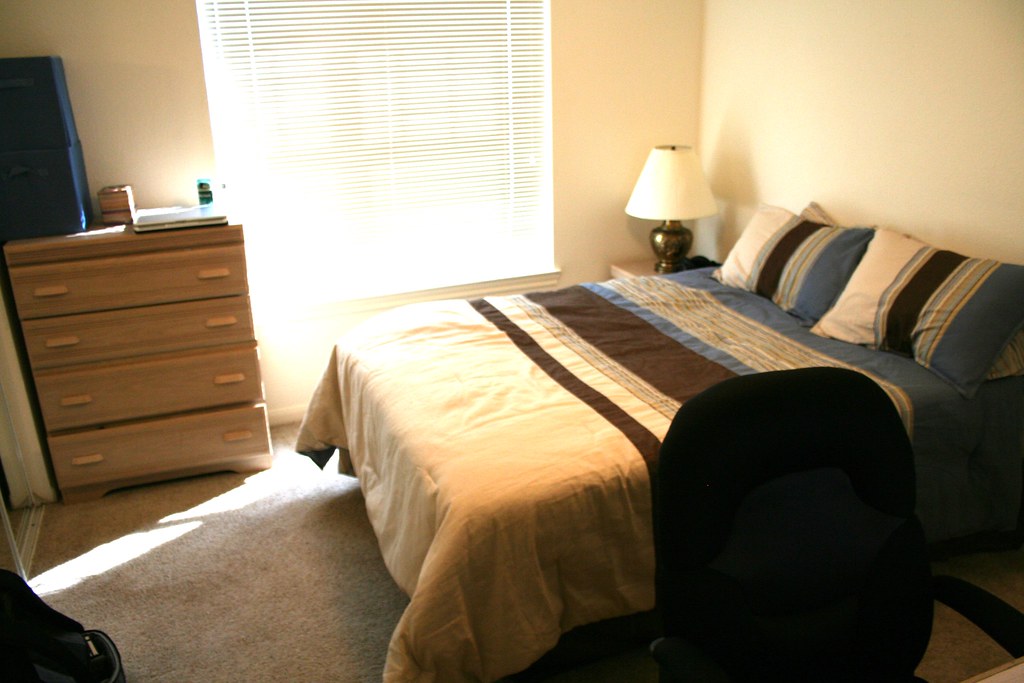
- Aim for a room that is cool, dark and quiet
- Choose cosy bedding and a pillow that supports your neck
- Try heavy curtains or a sleep mask to block early sunlight
- Use a fan or gentle background noise to cover disturbing sounds
Keep the bed mostly for sleeping and resting, so your brain connects it with relaxing instead of emails or endless scrolling.
Ease Into the Night
Roughly an hour before sleep, start to slow your pace. Lower the lights, set phones and tablets aside and pick a soothing activity, like reading a printed book, doing a few light stretches or having a warm shower. Doing the same steps nightly tells your body that bedtime is near.
Caffeine can stay in your system for many hours, so plenty of people keep coffee and tea for the morning. A large meal just before bed can make settling down harder. Alcohol might make you sleepy at first, but it can break up your sleep later on.
What You Do in the Day Counts
Your daytime choices affect your night. Getting outdoor light, especially early in the day, keeps your sleep rhythm on track. Being active most days can also help you sleep more deeply, although hard workouts late in the evening may leave some people wired.
If you like to nap, keep it brief and early in the afternoon so it does not steal from your night. For more practical ideas, see the NHS tips for better sleep.
If falling asleep is a nightly battle, you wake often or you feel worn out after a full night, speak with a healthcare professional. Keeping a sleep diary for a week or two can reveal useful patterns to share. You can read more in our preventive health guides.
This article is general information and is not medical advice.