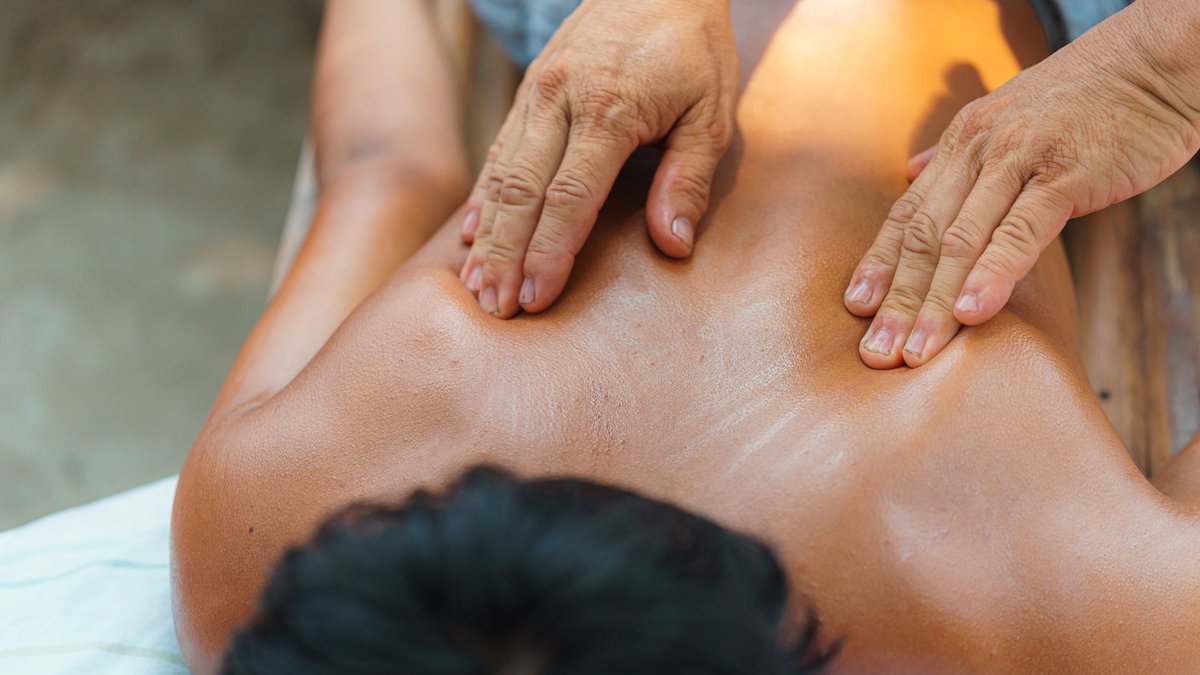
Self-care plays a deeper role in holistic wellness. When daily choices support the body, mind, and emotions together, you can be more resilient. This kind of resilience develops over time, and it grows from practical routines that protect energy and restore balance. Learn about holistic wellness and building resilience through self-care.
Lifestyle Habits
Small lifestyle habits shape how the body moves through stress each day. A regular sleep schedule sets a baseline for focus and mood, and it gives the nervous system time to reset. When sleep feels predictable, stress feels easier to manage, and the body responds with more stable energy.
Movement also supports holistic wellness; movement influences circulation, muscle strength, and emotional regulation. Light activity such as walking or gentle strength training offers benefits even in short sessions. People who match their exercise style to their current energy level may find they stay more consistent, and that consistency supports resilience.
Nourishing meals provide the body with raw materials for repair and influence how stable energy feels throughout the day. Simple patterns such as regular mealtimes, varied colors on the plate, and mindful hydration bring structure without strict rules. That structure helps people notice which foods support focus and mood, and which patterns leave them feeling depleted.
Skin Care
The skin interacts with the outside environment all day, and it reflects internal shifts such as sleep quality, hydration, and hormone changes. When a person builds a calm, repeatable routine, that process can double as a grounding ritual. Gentle products that match the skin type support the barrier, and harsh scrubbing tends to disrupt it. When the barrier stays intact, the skin often feels less reactive, and that comfort eases day-to-day irritation.
Cryotherapy
Cryotherapy exposes the body to very low temperatures for short periods and can be used as part of a recovery plan. Brief cold sessions can be refreshing and relieve muscle soreness. Responses vary, so pay close attention to how your body feels during and after sessions.
People can pair cryotherapy with other recovery tools and use it with a structured wellness plan. Sessions can be scheduled alongside stretching, sleep support, and balanced activity. This integrated approach keeps cryotherapy in perspective and ties it to overall resilience goals.
- Short, guided sessions
- Attention to comfort and safety
- Clear communication with a medical professional
When people track how they feel over time, they gain better insight into whether this method fits their personal routine. That awareness strengthens self-advocacy and makes each wellness choice more intentional.
Optimizing Healthy Weight
Weight often carries an emotional and physical toll; a supportive approach makes a difference. Instead of strict rules, many people benefit from focusing on patterns they can maintain long term. Steady routines with balanced meals and regular movement can support a sustainable healthy weight.
A collaborative plan may include nutrition guidance and movement recommendations. Medical professionals perform periodic check-ins. With that kind of support, people focus less on rapid change and more on gradual, realistic progress.
Healthy weight also connects to sleep, stress levels, and emotional health, which ties back to holistic wellness. When those areas improve, weight-related goals often feel less overwhelming, and people feel more capable of steady change. This shift turns weight management into one part of a broader resilience-building plan.
Prioritize Holistic Wellness
Building resilience through self-care aims for steady progress. When daily habits support body, mind, and emotions together, stress has less room to take over. By choosing routines that feel realistic and grounding, you can create a stronger base for long-term health. Prioritize holistic wellness at your local wellness center.