
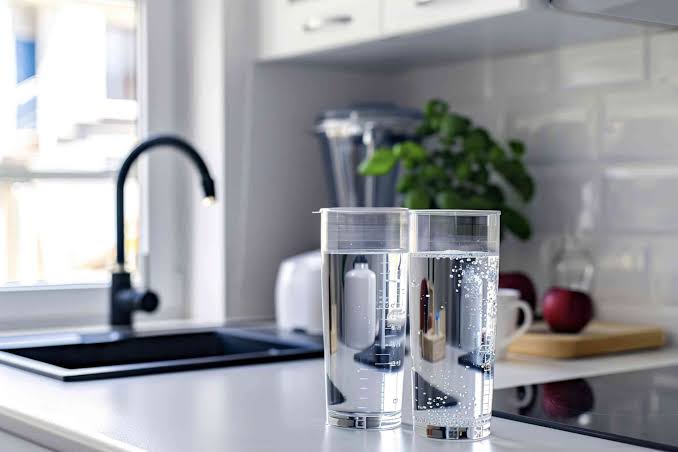
Water filtration systems help remove impurities from tap water. They typically include point-of-use filters that purify water at specific locations and whole-house systems that treat water as it enters the home. Each type serves different needs, so understanding the main components helps you choose the right option for your household. Here are some key features to look for when selecting a water filter system for your home:
Contaminant Removal
Filtration performance depends on the methods a system uses to treat water. Some systems use multiple filtration stages, and each stage focuses on different types of impurities. The first stage often uses a ceramic filter that captures small particles, including certain microorganisms. Product specifications provide details about the contaminants each filter is designed to reduce, so reviewing them helps you understand the system’s filtration capabilities.
The water then passes through an inner core that combines a catalytic carbon block with specialized resins. This stage focuses on specific chemical contaminants, while the carbon block is designed to reduce substances such as PFAS, microplastics, and chlorine. Resin blends target other contaminants, including certain heavy metals and agricultural chemicals. Depending on the filter design, this stage also addresses substances such as lead, herbicides, and glyphosate; some cartridges are also designed to reduce fluoride.
The third stage often uses compressed coconut shell carbon, which provides another layer of filtration after the earlier stages. This layer addresses certain remaining contaminants, and it also helps manage taste and odor. Performance depends on the filtration media and the contaminants in the water. Some systems also use media such as high-density garnet beds and KDF 55, while others use additional treatment technologies. These components target specific substances, including iron, hydrogen sulfide, and certain heavy metals.
Filter Material
The material used to make a filter housing affects its durability, maintenance, and overall performance. Some water filter system models use food-grade stainless steel, which is also described as surgical stainless steel. This type of steel contains chromium and nickel; these elements contribute to the material’s resistance to rust and corrosion. Stainless steel housings also provide a durable enclosure for filtration components, while their moisture-resistant construction suits regular contact with water.
Stainless steel water filter system models are often available as countertop or under-counter units, so you have options for different kitchen layouts and available space. Countertop units typically sit on the counter and dispense filtered water through a dedicated spout; under-counter units connect to the plumbing beneath the sink. Because installation requirements differ between models, check the unit’s dimensions, connection type, and plumbing requirements before making a selection. Measuring the available space first also helps make sure that the system fits comfortably and remains accessible for filter changes and routine maintenance.
Installation Processes
Some modern water filter system units feature a straightforward setup that does not require specialized tools or advanced plumbing skills. Installation time varies by system, and certain models require professional installation because of their plumbing connections or installation requirements. Point-of-use units typically connect to a standard faucet or the cold-water line beneath the sink. Some units operate using household water pressure, which eliminates the need for electricity or a separate power outlet. Direct-pressure designs send water through the filtration system as it flows from the water line, so these units use a different configuration from systems that store filtered water in a separate tank.
Explore Water Filter System Options
Understanding what a water filtration system removes and how it is installed helps you choose the right option for your home. Some filters also help reduce scale, which affects how water feels and limits buildup in pipes and appliances. Whether you live in a small or large home, the right water filter system should match your household’s needs and water quality concerns. Book a consultation with a water filtration specialist to find the right system for your home.
For more easy-to-follow health guides, visit WhatsOnTech.
- Common Questions To Ask Your Gynecologist
- The Role of Mohs Surgery in Preventing Skin Cancer
- WhatsOnTech Review: What Readers Can Expect (From the Team)
- Is WhatsOnTech Safe? Privacy, Security and What Happens to Your Data
- Is WhatsOnTech Legit? Who We Are and How the Site Works
[…] holds whether you are browsing our allergies guide or our digestive health guide. If you ever see a page,…
[…] holds whether you are browsing our allergies guide or our digestive health guide. If you ever see a page,…
[…] guides link to their sources, articles are revisited when guidance changes, and guides such as the back and joint…
[…] your health. If you want to know more about the team and how the site operates, our About page…



[…] Not necessarily. A legitimate site can still contain an error or fall behind changing guidance. Our content is general…