A rolled ankle, a pulled muscle or a sore back can feel like a big setback, especially for people who love to move. The urge to jump straight back into your normal workouts is strong, yet doing too much too early can make healing take longer. At the same time, lying still for weeks is rarely the answer. The smart approach sits somewhere in between, and it can help you stay strong, cheerful and on schedule while your body repairs itself.
Let Pain Guide Your Choices
Your body uses pain to tell you something. For the first few days after a small injury, it is usually wise to protect the sore area and skip any activity that makes it feel worse. Keep an eye on swelling, tenderness and how the spot feels the morning after you have been active. Mild discomfort that fades quickly is often fine, but pain that is sharp or getting stronger means it is time to slow down.
Keep Healthy Parts of Your Body Busy
Hurting one area does not mean the rest of you needs a break. Plenty of people keep fit in other ways, as long as the activity leaves the injured spot alone.
- With a sore knee or ankle, try arm exercises or a workout done in a chair.
- With a sore shoulder, a walk outside or a ride on an indoor bike may be comfortable.
- Gentle swimming or walking in a pool is kind to the joints for many people.
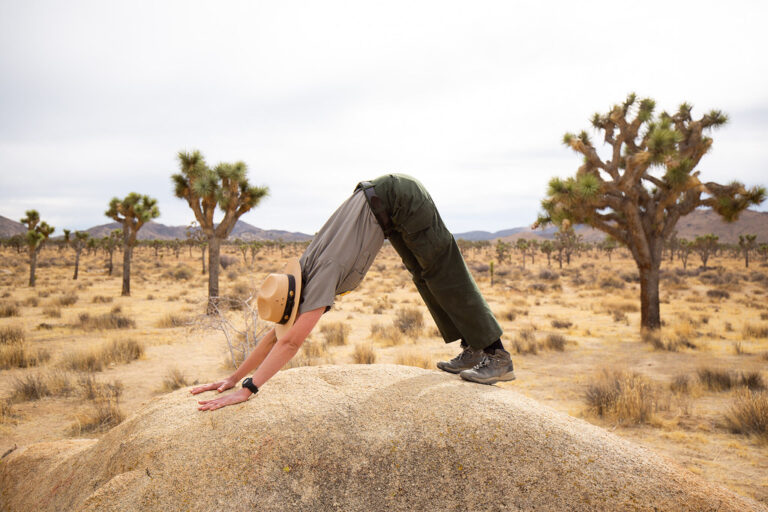
- Easy stretches for the parts that are not hurt help you stay loose and calm.
Build Back Up Step by Step
Once the injury starts to settle, return to your usual activity slowly. Begin with sessions that are short and easy, then add a little more time or effort each week. A handy rule is to increase just one thing at a time, such as how far, how fast or how heavy, instead of changing everything together. Always warm up first and cool down at the end so your muscles have time to adjust.
A simple notebook can help too. Jot down what you did and how you felt later that day. Over time, the notes show you what your body can handle and what still needs patience.
Get Expert Help When You Need It
A physical therapist can guide you through recovery by checking how the injured area moves, choosing safe exercises and planning your return to sport or work. See a doctor or therapist if the pain is severe, you cannot put weight on the limb, swelling will not go down, or you see no improvement after a week or two. The NHS page on sprains and strains explains common warning signs, and our physical therapy guides offer more ideas. Here at WhatsOnTech, we believe patience is part of getting stronger.
This article is general information only and is not medical advice.