Most of us only think about our bones after a fall or a fracture. The truth is that the things that keep bones strong are easy, cheap and fit into an ordinary week. Women often lose bone density more quickly once they pass midlife, so steady care from an early age pays off. Whatever your age right now, it is a good time to begin.
Choose Activities That Put Weight on Your Bones
Bone is living tissue, and it gets tougher when it is asked to carry a load. Any movement where you hold up your own body weight against gravity helps. Good choices include:
- Brisk walks around the neighborhood
- Dancing in the kitchen or at a class
- Taking the stairs instead of the lift
- Easy hikes on local trails
You do not need one long session. Several short bursts spread through the day work well too.
Add Some Strength Work
Building muscle gives your bones and joints extra protection and helps you stay steady on your feet. Squats, wall push-ups, stretchy bands or small hand weights are all fine places to start. If exercise is new to you, ask a physiotherapist or a qualified trainer to check your technique so you stay safe.
Fill Your Plate With Bone-Friendly Foods
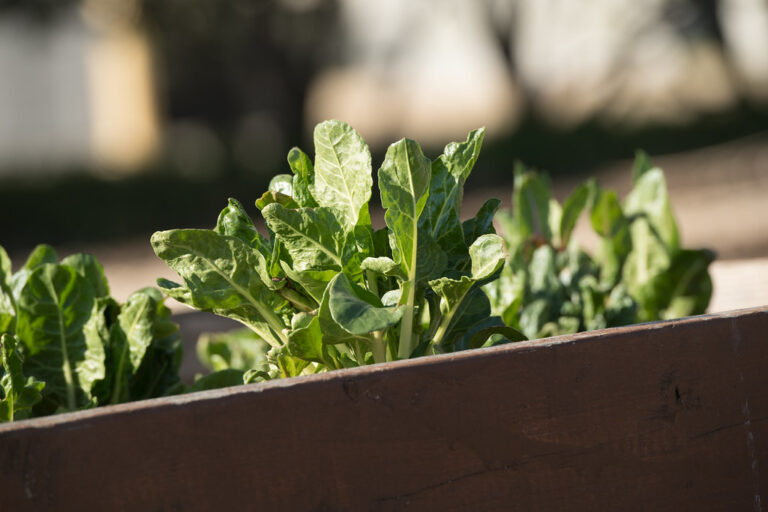
Bones need a steady supply of nutrients, and a varied diet delivers them. Across the week, aim to eat milk, yogurt or plant drinks with added calcium, dark leafy greens like kale and bok choy, and beans, lentils, nuts and seeds. Tinned sardines, which have soft bones you can eat, are another handy option. Round out meals with protein from eggs, chicken, tofu or anything else you like.
Enjoy Daylight and Good Rest
Sunlight on the skin helps the body make vitamin D, and vitamin D helps you take in calcium from food. A short stroll outside on most days gives you light and movement at the same time. How much you need depends on your skin, the season and where you live, so speak with a doctor before you take any supplement. Restful sleep and calmer days also support the way your body repairs itself.
Talk to a Health Professional About Your Risk
Certain things can raise the chance of weak bones, such as a family history of osteoporosis, early menopause, some long-term medicines or a fracture in the past. If any of these sound familiar, bring them up with your doctor. They can tell you whether a bone density test is a good idea and help you make a plan. The NIH guide to osteoporosis is a helpful place to read more.
At WhatsOnTech we believe small habits add up. Pick one step this week, like an evening walk or an extra handful of greens, and grow from there. You can find more ideas in our women’s health section.
This article is general information only and is not medical advice. Please speak with your doctor about your own health.