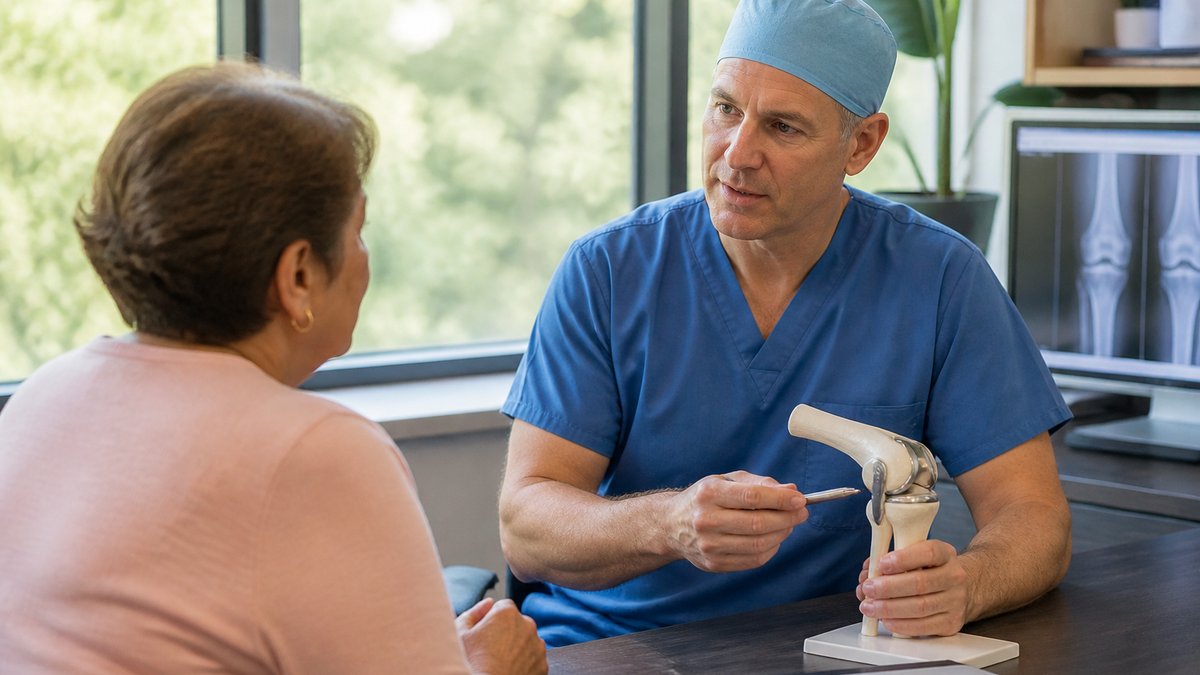
Orthopedic surgery addresses injuries and disorders affecting bones, joints, ligaments, and related structures, and it supports mobility over time. Techniques now rely on detailed imaging and targeted pain management. When technology supports planning and execution, surgeons adapt approaches to individual anatomy and functional goals. Here are some of the latest advances in these techniques:
Spinal Cord Stimulator Implantation
Spinal cord stimulator systems use implanted leads and a small generator to deliver electrical pulses near targeted nerves. Surgeons place the device after imaging and a trial phase, and they route leads through the spine while protecting nearby tissues. When stimulation settings match pain patterns, some patients experience more stable relief during daily activities.
Open Reduction and Internal Fixation
Open reduction and internal fixation realigns fractured bone, and it stabilizes segments with plates, screws, or rods. Surgeons use detailed imaging before surgery and plan hardware placement to match the fracture type and bone quality. When alignment restores joint surfaces and limb length, patients may regain function with structured rehabilitation after orthopedic surgery. They may take these steps:
- Surgeons expose the fracture site, and they clear debris so that bone edges align correctly.
- Plates, screws, or rods hold fragments in place, and they limit motion at the fracture line.
- Diagnostics verify alignment, and they guide adjustments before final hardware tightening.
- Patients follow weight-bearing guidelines, and they work with therapists to restore strength.
Arthroscopic Techniques
Arthroscopic surgery uses a small camera and slender instruments to treat joint problems through minimal incisions. The camera sends images to a monitor, and surgeons navigate inside the joint while preserving surrounding tissue. When structures stay intact, recovery typically involves less scarring and more focused rehabilitation after orthopedic surgery.
During knee or shoulder arthroscopy, surgeons insert portals at planned locations. These portals protect nerves and vessels while advancing tools. The camera reveals cartilage, ligaments, and joint surfaces, and it helps identify tears, loose bodies, or inflamed lining. Once the problem appears clearly, surgeons shave, repair, or remove tissue with controlled movements.
Advances in arthroscopic instruments support more precise suturing and anchor placement, and they expand repair options inside tight spaces. When imaging, instruments, and technique align, arthroscopy supports targeted treatment with shorter hospital stays in many cases. Some systems integrate fluid management, and they keep the view clear while limiting joint swelling.
External Fixation
External fixation stabilizes bones with pins or wires connected to an external frame, supporting alignment outside the skin. Surgeons place pins into bone segments under imaging guidance, and they attach bars or rings that hold the structure steady. When fractures involve soft tissue damage or contamination, this approach protects the area while additional treatment proceeds.
Frames allow gradual adjustments, and they guide bone position as healing progresses or limb length changes over time. When combined with structured follow-up, external fixation supports staged care while internal hardware placement waits for better soft tissue recovery. Some systems use modular components, and they adapt to different fracture patterns or deformity corrections.
Book an Orthopedic Surgery Consultation
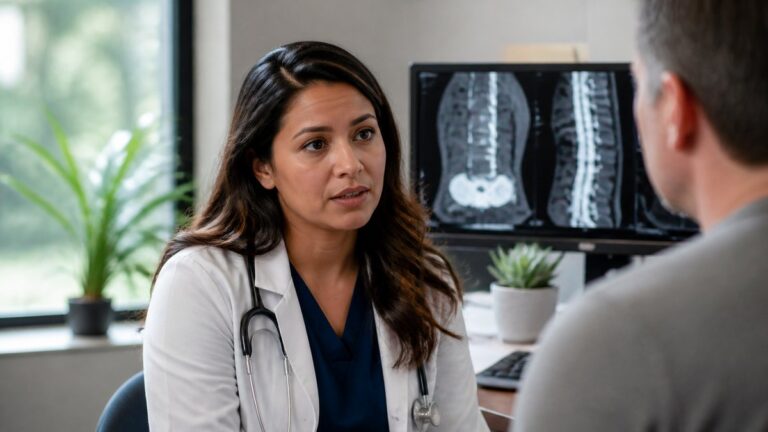
Patients dealing with joint pain, fractures, or spine-related symptoms typically start with a detailed evaluation, and they review both surgical and non-surgical options. A consultation covers imaging, medical history, and activity demands, and it outlines techniques that match each diagnosis. To explore advanced approaches to orthopedic surgery, schedule a consultation through a trusted clinic.