Most people spend the bulk of each day inside, whether at home, the office or school. The air in those rooms can affect how comfortable we feel and how easily we breathe, particularly for anyone with allergies or sensitive lungs. At WhatsOnTech we like solutions that are simple and cheap, and happily a handful of everyday habits can keep indoor air cleaner without costly gadgets or building work.
Bring in Fresh Air
When the weather is mild and the air outside is clean, open the windows for a little while each day to swap stale air for fresh. Switch on the extractor fan when you cook and while you shower, and leave it running for a bit afterwards to clear steam and smells. Just ten minutes of airing a room each morning can make it feel much fresher. On high-pollen days or when outdoor air is poor, keeping windows shut may be the better choice.
Cut Down on Dust and Allergens
- Vacuum rugs and carpets often, ideally using a machine with a fine filter
- Wipe surfaces with a slightly damp cloth so dust is trapped, not stirred up
- Wash sheets and pillowcases in hot water every one to two weeks
- Keep pets out of bedrooms if their dander bothers anyone
- Clear clutter from shelves and tables where dust builds up
- Put a mat by each door and think about taking shoes off indoors
Keep Damp and Mould Away
Moist areas can invite mould and dust mites. Repair leaks quickly, dry spills and wet spots fast, and check bathroom corners, basements and utility rooms. In humid places, a dehumidifier can help, while a humidifier may feel nicer in very dry seasons. Clean both machines often, following the maker’s guidance.
Limit Everyday Irritants
Smoke from cigarettes, candles and log fires can bother the lungs, so aim for a smoke-free home. Pick unscented or low-odour cleaning products where you can, and keep paints and chemicals somewhere well ventilated. Replace heating and cooling filters on schedule, get fuel-burning appliances serviced regularly and fit a carbon monoxide alarm. The WHO facts on household air pollution explain why this matters.
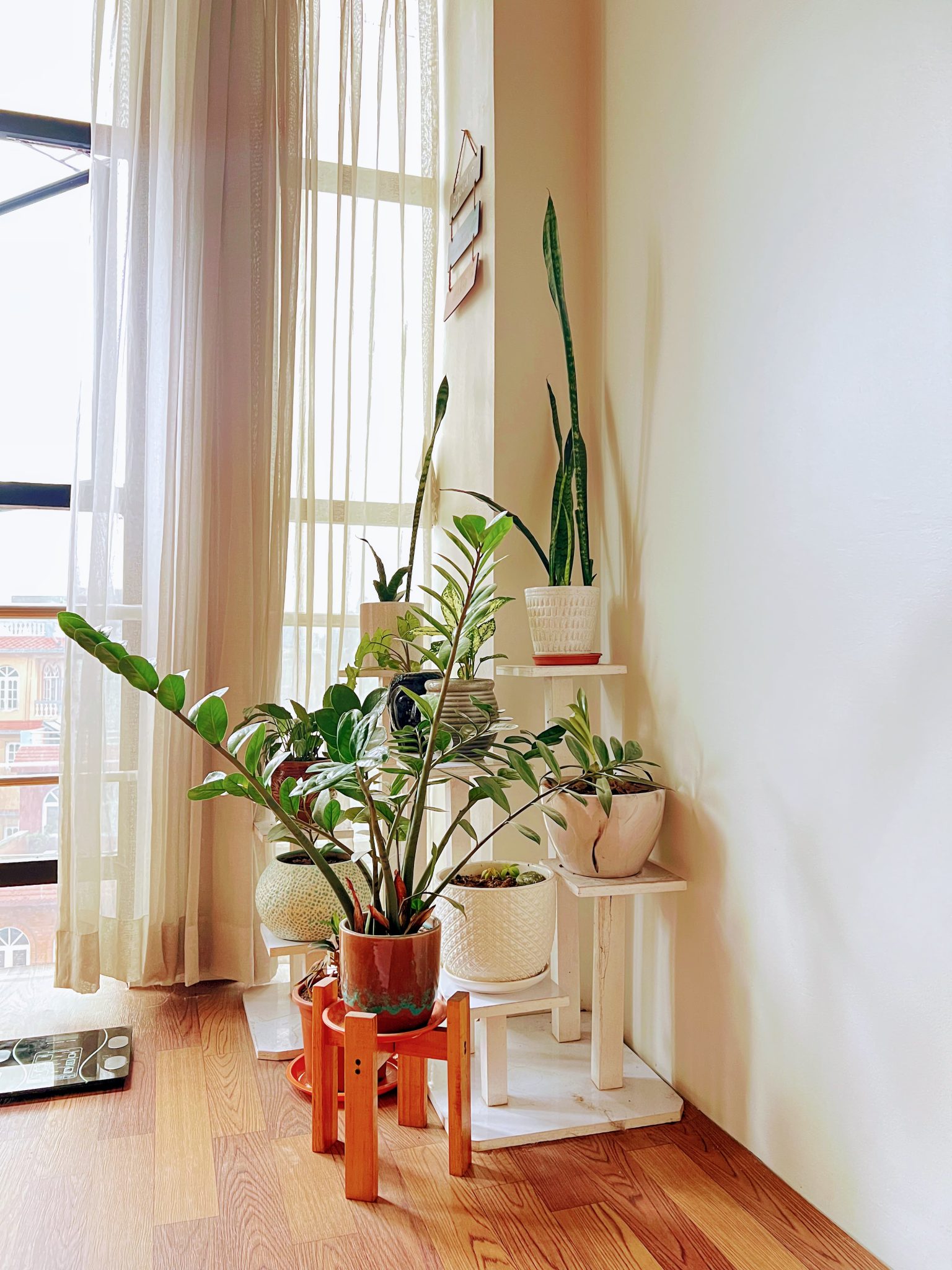
Houseplants can cheer up a room, although airing and cleaning do most of the work for air quality. A portable air purifier with a good filter may help in bedrooms or living areas. If you have pets, choose plants that are safe for them.
If someone at home often coughs, sneezes or feels breathless indoors, speak with a healthcare professional about possible triggers. Read more in our respiratory health guides.
This article is general information only and is not medical advice.