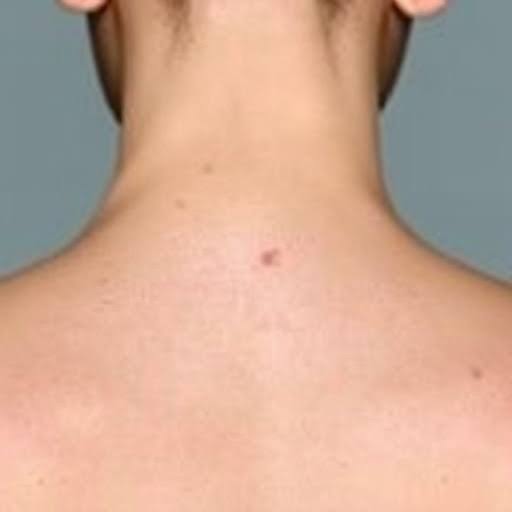
Laser hair removal uses focused light to target hair follicles while leaving surrounding skin largely unaffected. By directing energy into the pigment within each follicle, it disrupts future hair growth. Treatments follow a schedule because hair grows in cycles, and the laser works best when follicles are in an active growth phase. Here are some of the advantages to using this method:
Non-invasive Method
Laser hair removal is a non-invasive technique, and it does not rely on incisions or sutures. The device rests on the skin while pulses of light reach the follicles beneath the surface. Since the skin is not opened, the treatment stays focused on the hair structures rather than deeper tissues, and this supports a more targeted approach. Many individuals appreciate that the procedure takes place in an outpatient setting, and they return to typical daily routines shortly afterward.
Smoother Skin
One of the noticeable outcomes of laser hair removal is smoother skin over treated areas. As hair density decreases, the surface feels more even, and stubble appears less frequently between sessions. This approach reduces the friction that occurs with frequent shaving. You may find that your grooming schedule becomes more predictable, and you spend less time managing unwanted hair each week. It provides these benefits:
- Reduced stubble between treatments, which supports a more consistent skin texture.
- Less razor use, which lowers the risk of nicks and razor bumps over time.
- Fewer waxing sessions, which decreases repeated pulling on the same skin areas.
- More uniform hair reduction across broader regions such as the legs, back, or arms.
Permanent Hair Reduction
The laser targets follicles when they are active, and repeated sessions address new hairs that enter this phase. Over a course of treatments, many areas experience a noticeable drop in hair volume, and the remaining hairs typically grow back finer. This shift from dense growth to lighter coverage helps people adjust their grooming habits.
Since hair growth patterns vary, a treatment plan usually spans several appointments, and each one builds on the previous results. Some regions respond more quickly than others, and the provider adjusts settings to match the characteristics of each area. Patients sometimes pair sessions for multiple zones during a single visit.
Long-term reduction also supports planning for seasonal needs, and many patients schedule sessions ahead of warmer months. When hair growth slows, daily routines such as showering or getting ready for work typically involve fewer steps. People who engage in sports, swimming, or other activities that expose more skin may choose it.
Avoided Return of Hair
Traditional shaving removes hair at the surface, and growth resumes almost immediately, so stubble returns quickly. With laser hair removal, energy reaches into the follicle itself, and this interference with the growth structure reduces the chance of a rapid rebound. Hair that does return typically appears lighter and thinner.
When hair density drops, ingrown hairs and irritation from constant hair removal tools typically decrease. People who previously needed frequent waxing or threading appointments might space those visits out, and some transition fully to periodic laser maintenance. Over time, the pattern of constant regrowth and removal shifts, and grooming routines align with a slower, more manageable hair cycle.
Schedule Laser Hair Removal
Scheduling a consultation allows a provider to review your skin type, hair characteristics, and treatment goals in detail. During this visit, you discuss which body areas you want treated. Many practices use devices designed for a range of skin tones, and they tailor settings based on your individual profile. Schedule your first session at a time that fits your routine.