Laser hair removal can be sought by individuals who want to end the need for shaving or waxing hair in certain areas. When a plastic surgeon oversees this treatment, the focus may be on skin quality, symmetry, and long-term planning rather than just getting rid of hair. They can examine how hair growth patterns interact with skin type; they are then able to match that information with appropriate devices and settings.
What Is Laser Hair Removal?
Laser hair removal uses concentrated light that targets pigment found in hair. As the beam reaches the follicle, it delivers heat, and that heat disrupts the follicle’s ability to grow hair in the future. The process may involve multiple sessions because hair grows in cycles, and only follicles in an active growth phase respond well at each visit.
A plastic surgeon evaluates skin tone, hair color, and any history of sensitivity before choosing a treatment plan. Darker hair against lighter skin often responds readily, but lighter or gray hair typically responds less. When a surgeon integrates laser hair removal into a broader aesthetic plan, they also account for scars and previous procedures that might affect how the light interacts with the skin. During each session, the provider moves the laser across the treatment area. A plastic surgeon monitors skin response during treatment, and they can adjust settings as they work.
What Does It Treat?
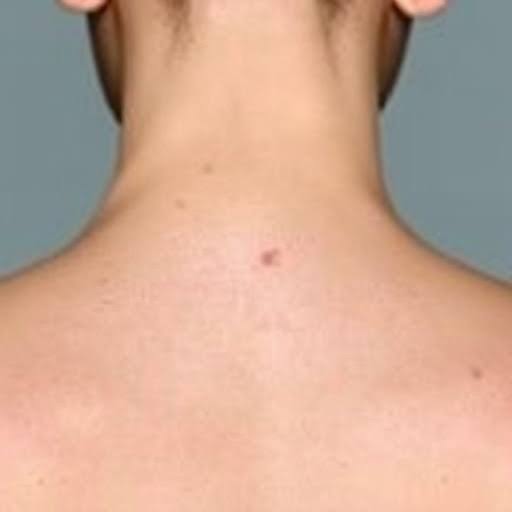
Laser hair removal is used on many regions of the face and body. On the body, common areas include the underarms, back, chest, bikini line, and legs. Dense growth on the back or chest may require a series with more sessions, and the surgeon is able to space those treatments to observe how regrowth patterns evolve. This planning step can help avoid uneven borders or missed patches that stand out later.
What Should You Expect?
Before treatment starts, the provider may review medical history, current medications, and previous skin reactions to light or heat. A plastic surgeon also looks for tanning, recent sun exposure, or active irritation; these findings can influence timing and settings. You wear protective eyewear during the session while the laser operates. Some describe the sensation of the laser as a quick snap or warmth. After treatment, the skin often shows temporary redness or slight swelling around follicles, and those reactions usually fade over time.
Results develop gradually, because treated hairs shed over time and not always immediately after the session. Multiple appointments spaced weeks apart are standard. Tanned skin changes how the light interacts with the surface, so you should protect the area from sun exposure between visits.
Consult a Plastic Surgeon
Laser hair removal utilizes technology, skin biology, and aesthetic planning; oversight from a plastic surgeon adds structure. When you work with a professional practice, you can gain an understanding of how laser hair removal fits into your overall strategy. A structured approach helps match device settings, timing, and target areas to your skin characteristics and long-term goals. This planning supports results throughout the series of treatments.