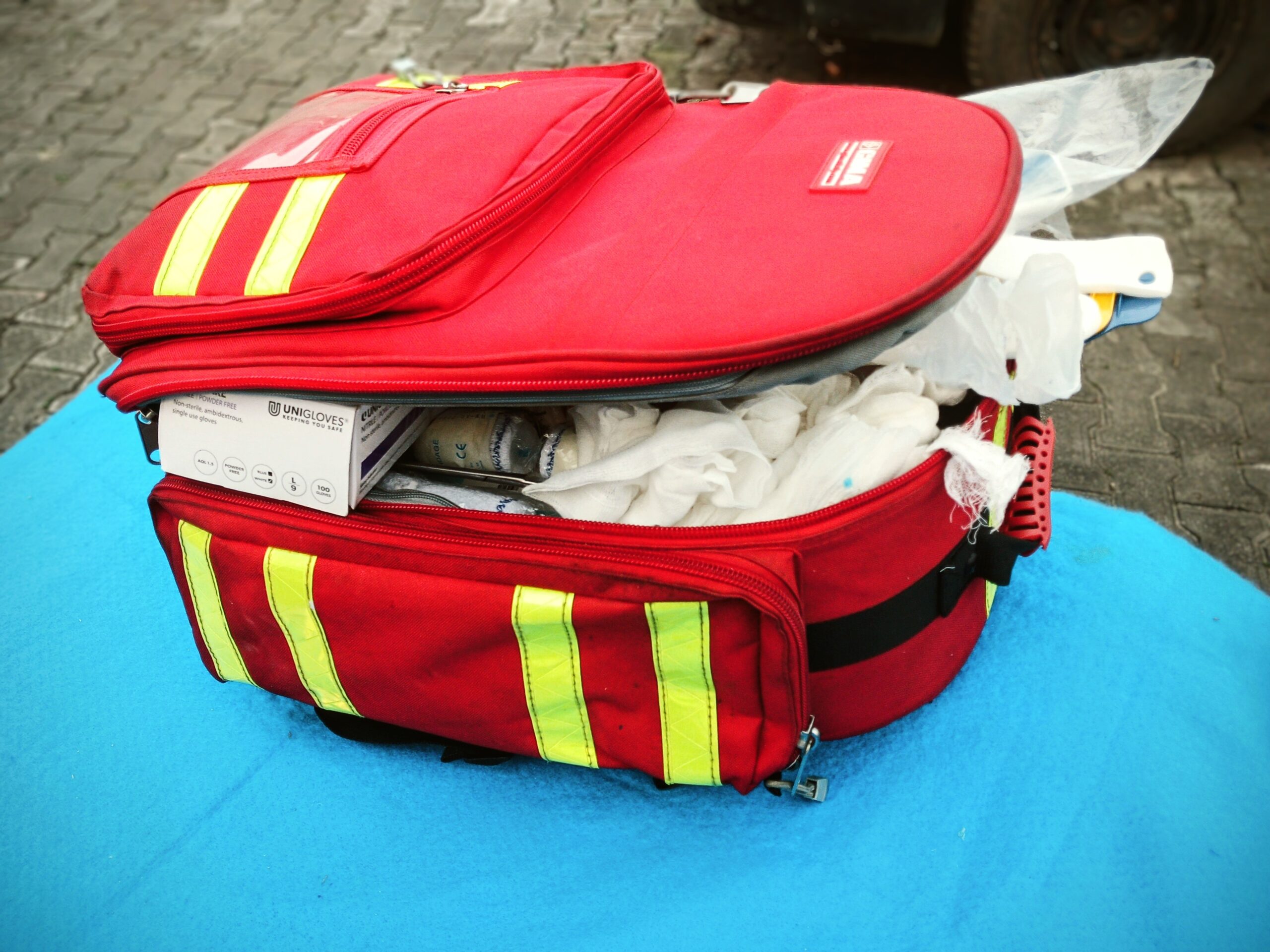
Minor accidents are part of family life, whether it is a nick from a kitchen knife or a grazed knee from the playground. A properly stocked first aid kit means you can deal with these moments calmly instead of hunting through cupboards. At WhatsOnTech we think putting one together is a great weekend job for the whole household, and it rarely takes more than an hour. You can start with a shop-bought kit and top it up, or fill your own strong box and label it clearly.
Essential Items to Pack
- Plasters or sticky bandages in a range of sizes
- Clean gauze pads plus medical tape
- A stretchy wrap bandage for twisted joints
- Antiseptic wipes and mild soap to clean wounds
- Tweezers, small scissors and single-use gloves
- A cold pack that activates when squeezed
- A digital thermometer
You might also add medicines your family already relies on, like pain relief or allergy tablets. Check with a pharmacist or doctor which products are right for each person, and take extra care with anything meant for children.
Useful Additions
A small torch, a pen and notebook, and a card with emergency numbers are easy to slip in. Write down the poison control number and your family doctor’s contact details. A pocket first aid guide can remind you of basic steps when you feel flustered. If someone at home has an allergy or a long-term condition, include a note about it along with any items their doctor recommends keeping close by.
The Best Place to Store It
Keep the kit somewhere cool and dry that grown-ups can reach quickly, while keeping medicines well away from young children. Many households have a main kit indoors and a smaller one in the car or holiday bag. Make sure every family member knows where to find it.
Look through the kit every few months. Restock anything you have used and bin items that are out of date or damaged. Checking at the start of each new season makes the task easy to remember.
When a Kit Is Not Enough
A home kit is for small injuries only. For serious injuries or emergencies, like heavy bleeding, breathing problems, chest pain or someone who cannot be woken, call your local emergency number at once.
If a wound is deep, keeps bleeding, looks infected or comes from an animal bite, see a healthcare professional or visit urgent care. The NHS first aid guide explains basic steps, and a local first aid class can boost your confidence. Find more practical tips in our urgent care section.
This article gives general information only and is not medical advice.