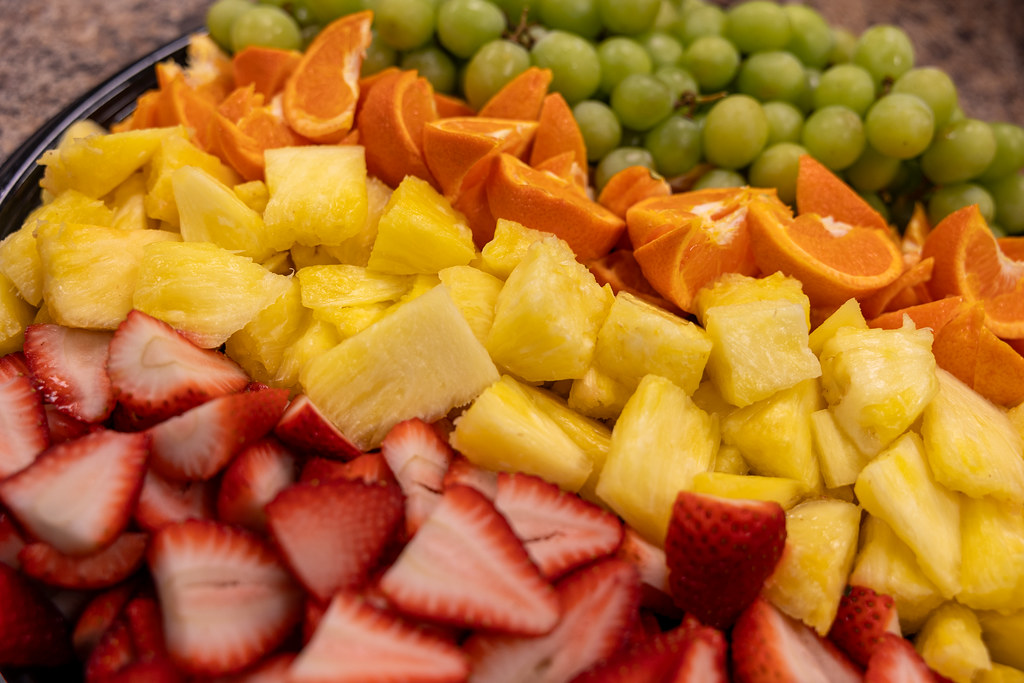
Young children have little tummies but lots of energy to burn, so a snack between meals can help keep them going. For many parents, the tricky part is finding foods that are good for kids and that kids actually want to eat. With some planning and a bit of imagination, snack time can become a simple way to fit more fruit, vegetables and whole foods into the day.
What a Balanced Snack Looks Like
The best snacks usually bring together two different food groups, for example a fruit or vegetable paired with some protein or healthy fat. This combination keeps children feeling full for longer than a sugary treat on its own. Small servings, offered at roughly the same times each day, also help make sure kids still come to the table hungry for meals.
Easy Snack Ideas for Busy Days
- Sliced apple with a light layer of seed or nut butter.
- Sticks of carrot, cucumber and pepper to dip into hummus or yogurt.
- Natural yogurt with berries and a spoonful of oats on top.
- Wholegrain crackers served with small cubes of cheese.
- A smoothie blended from banana, berries and milk or yogurt.
- Plain homemade popcorn for older kids.
- Boiled eggs sliced in half or cut into playful shapes.
For toddlers and small children, chop food into tiny pieces and skip hard, round foods such as whole grapes or nuts, which can cause choking.
Turn Snack Time Into Fun
Children are keener to taste new foods when they help out. Ask them to rinse the fruit, lay out a bright plate or pick between two healthy choices. Fruit skewers, cookie cutter shapes and rainbow plates can make snacks feel like a little game. Keep washed fruit in a bowl and chopped veggies at eye level in the fridge so the healthy option is also the easy one.
Make water the go-to drink between meals, and save juice and fizzy drinks for the odd treat.
Go Easy on Fussy Eaters
Many children need to see a new food several times before they will eat it, so keep offering it calmly. Put it next to a food they already like, and let them watch you enjoy it. Try not to hand out snacks as prizes or bribes, because that can make some foods seem extra special.
If you are worried about your child’s growth, appetite, allergies or very picky eating, talk to your doctor or a registered dietitian. The Mayo Clinic nutrition guide for kids is another useful resource. At WhatsOnTech we think healthy snacks can be cheap, simple and fun. Browse more ideas in our pediatric care section.
This article is general information only and is not medical advice.