Sunglasses help a bright day feel easier on the eyes, but their most useful work is hidden. Sunshine carries ultraviolet (UV) rays that you cannot see or feel. Over many years, too much UV can harm your eyes and the thin skin that surrounds them. With a little know-how, you can choose a pair that keeps you safe and still looks great.
UV Blocking Comes First
Before you think about colour or style, check how much UV the lenses stop. The label should promise that they block all UVA and UVB rays. You may also see the term UV400, which means the same thing. This detail is worth more than a famous brand name or a high price tag.
Be careful with lenses that are simply very dark. A deep tint does not guarantee protection. Dark lenses with no UV filter can actually cause your pupils to widen, so more harmful light reaches the inside of the eye. If the rating is missing or unclear, choose another pair.
Think About Lens Size and Shape
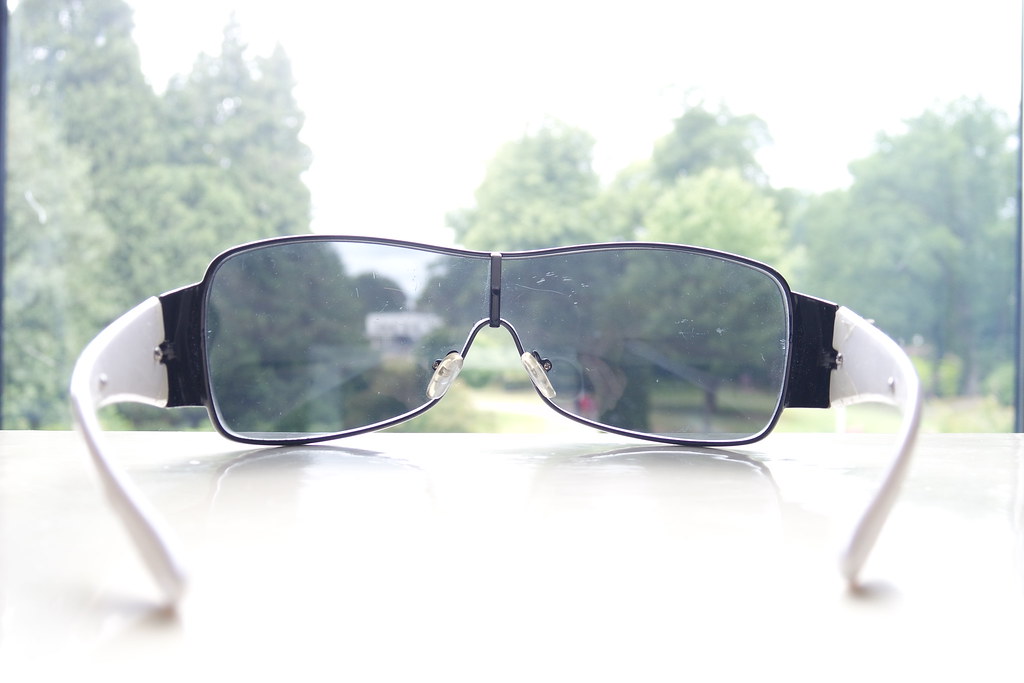
Bigger lenses cover more of the area around your eyes, and wraparound frames stop light from slipping in at the edges. These styles are handy at the beach, by a lake or on a ski slope, where sunlight bounces off sand, water and snow.
- Wraparound styles cut side glare during sport and outdoor jobs.
- Polarised lenses soften the shine from wet roads, water and snow, which helps many drivers.
- Grey and brown tints keep colours looking close to normal.
- Shatter resistant lenses are a good choice for active hobbies.
Comfort Keeps You Wearing Them
A pair left in a drawer protects no one, so a comfortable fit is important. The frame should rest level on your nose without squeezing and should stay in place when you bend down. When you blink, your lashes should not touch the lenses.
If You Already Wear Glasses
Talk to your optician about your choices, such as prescription sunglasses, clip-on shades or lenses that darken in sunlight. Each has good and bad points, and an expert can match one to your lifestyle.
Wear Them All Year
UV rays still reach you on grey, cloudy days and during winter. Keeping a spare pair in the car or your handbag means you always have one ready. Kids need protection as well, so pick child sized sunglasses with the same full UV rating.
At WhatsOnTech we like to keep it simple: full UV blocking, good coverage and a comfy fit. Pair them with a wide-brimmed hat on very sunny days. For more tips, visit our eye health section or read this eye health advice from the National Eye Institute.
This article is general information only and is not medical advice.