From the moment you wake up until you fall asleep, your eyes rarely get a break. With age, small shifts in eyesight are common. You might want a stronger lamp for reading, or find that your eyes take a moment longer to settle when you walk from sunshine into a darker room. Thankfully, some easy routines can keep your eyes feeling good and help you get the best from your sight.
Set Up Better Lighting at Home
Strong, well placed light takes pressure off your eyes. For reading, put the lamp to the side or slightly behind your shoulder so it shines on the book and not straight at your face. Brighter bulbs in hallways, kitchens and stairways make it easier to see clearly and lower the chance of a fall.
Glare is another thing to reduce. Angle your computer or TV so windows are not reflecting on it, close the blinds when the sun is harsh, and clean your glasses regularly, because smears spread light around and make things look hazy.
Food and Movement Matter Too
Habits that help your heart and body often help your eyes as well. Eating a mix of bright, fresh foods supports general health, and regular activity keeps blood flowing well, including through the small vessels at the back of the eye.
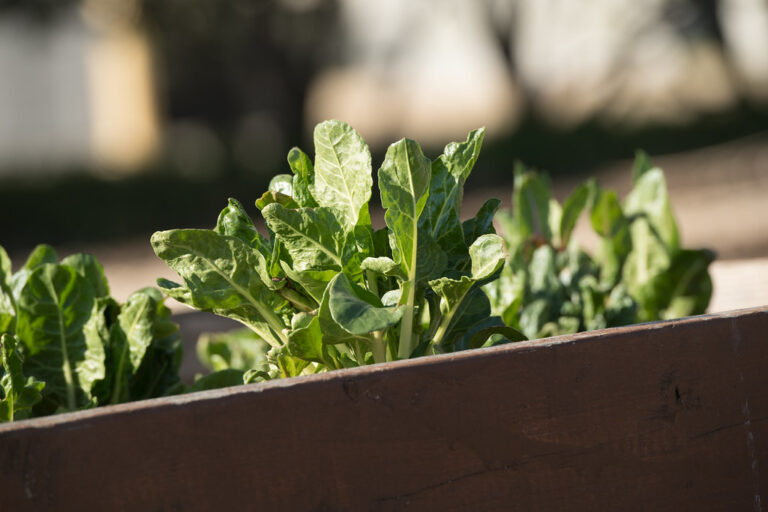
- Add dark leafy greens, such as kale or spinach, to soups and salads.
- Enjoy orange and yellow vegetables like carrots, squash and peppers.
- Include fish, seeds and nuts in your meals across the week.
- Sip water during the day, which can help if your eyes often feel dry.
Shield Your Eyes From Everyday Risks
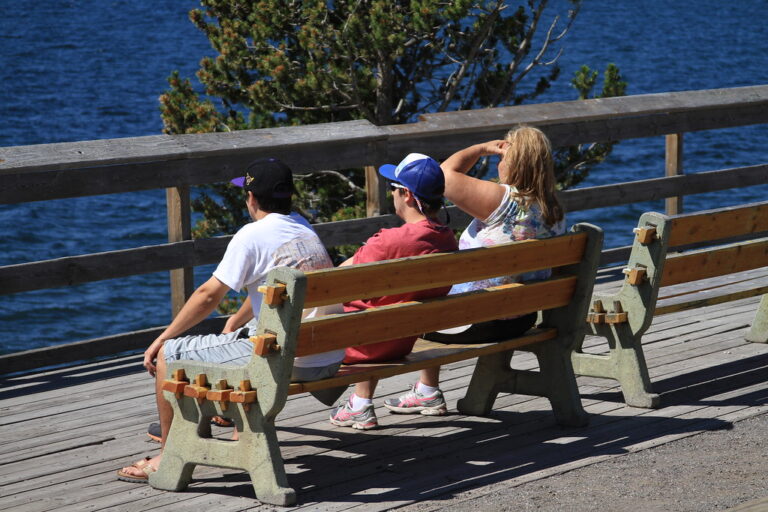
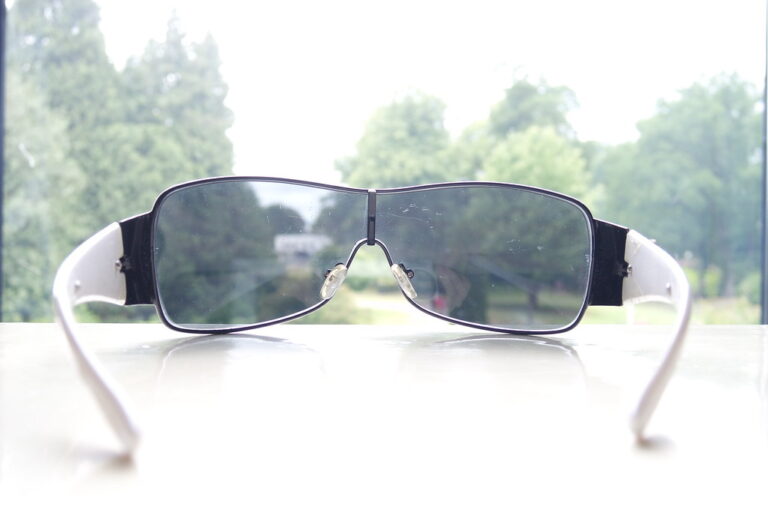
Daylight is something your eyes face every day. On bright days, put on sunglasses that filter UV rays and a wide-brimmed hat for extra cover. Keep a pair of safety goggles handy for DIY jobs, yard work or anything that can throw dust and chips into the air.
Stopping smoking, or even smoking less, is a big win for your whole body, and your eyes gain from it too.
Book Regular Eye Checkups
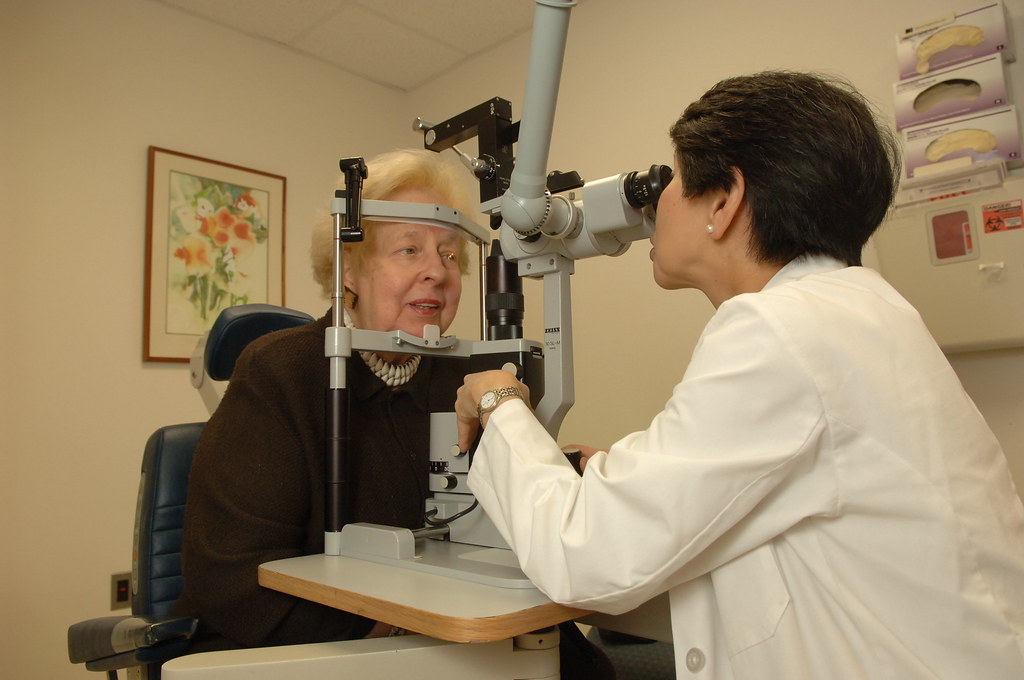
A lot of eye problems develop quietly, with no pain and no obvious warning. That is why routine visits to an optometrist or ophthalmologist are so useful. They test your sight and also look at the health of the eye itself. Ask how often you should return, since this depends on your age, your family history and any health conditions you have.
When Not to Wait
Get help quickly if you suddenly see flashing lights, a shadow moving across your view, a shower of new floaters, or if your eye becomes painful.
At WhatsOnTech we believe small steps are the easiest to keep. Try one new habit this week. You can find more guides in our eye health section, and the NHS guide to looking after your eyes has helpful extra tips.
This article is general information only and is not medical advice.