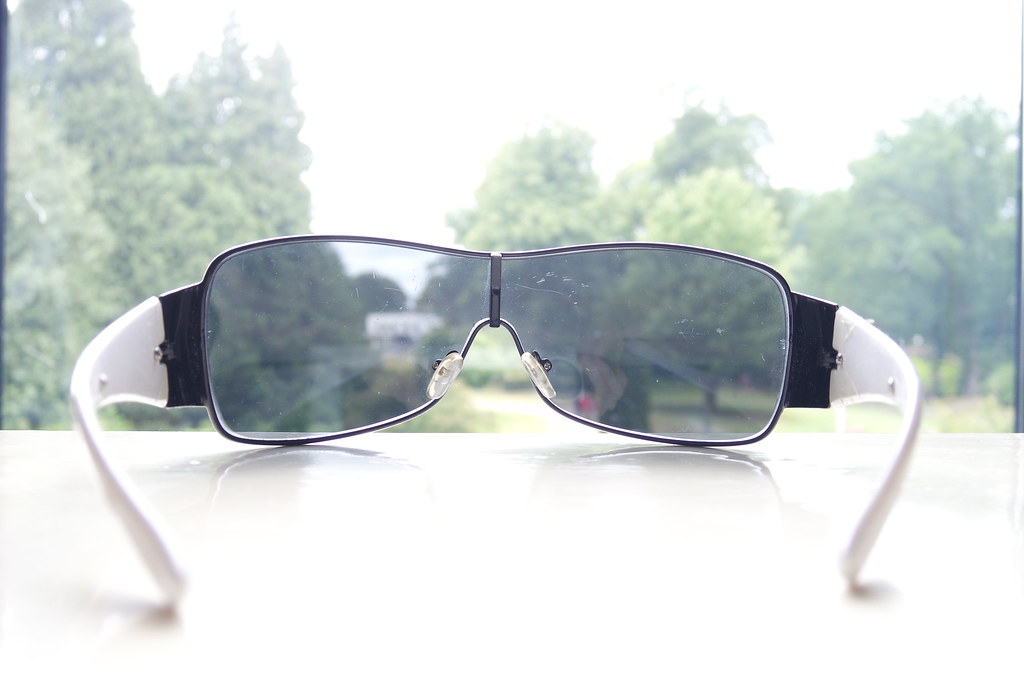
Sunglasses tend to come out on hot summer afternoons and then get tucked away for months. Yet sunlight reaches our eyes all year round, on grey days and in the middle of winter too. A good pair is an easy and stylish way to protect your eyes and stay comfortable outside. Here is why they deserve a spot in your everyday routine, whatever the weather.
What Sunlight Does to Your Eyes
Sunlight carries ultraviolet, or UV, rays that you cannot see or feel. In the same way UV can harm skin, years of exposure can also affect your eyes and the thin skin around them. Strong light and glare can make you squint and leave your eyes tired and sore, especially while driving or when you are near water or snow.
UV Rays Do Not Take a Break
UV light can travel through clouds, so a dull sky does not mean your eyes are safe. In winter, fresh snow bounces a lot of sunlight straight back toward your face. Water, sand and even roads and pavements can reflect light as well. Being high up, for example on a mountain walk, can raise your exposure further. That is why wearing sunglasses outdoors makes sense in every season, not only on holiday.
How to Choose a Protective Pair
Very dark lenses are not always the most protective. What really matters is the label, which should show how much UV the lenses block.
- Pick lenses that say they block 100 percent of UVA and UVB rays.
- Choose bigger frames or wraparound shapes to stop light sneaking in at the sides.
- Think about polarised lenses to cut glare from roads, water and snow.
- Check that they sit comfortably and do not slip down your nose.
A hat with a wide brim adds even more shade for your eyes and face on sunny days.
Kids usually spend more time outside than grown-ups, so it is worth starting the sunglasses habit early. Look for tough, comfy children’s sunglasses with UV protection and add a sun hat for outdoor play.
Keep an extra pair in your bag or car so you always have one close by, and store them in a case to avoid scratches that blur your view.
Do Not Skip Your Eye Checks
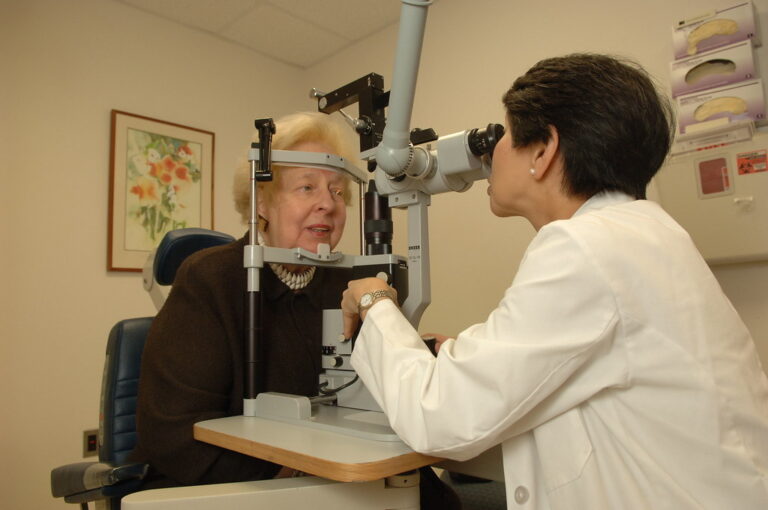
Sunglasses are one piece of eye care, and regular eye exams are another. An optometrist or ophthalmologist can check your eye health, update your prescription and suggest prescription sunglasses if needed. Book sooner if you notice vision changes, eye pain or unusual sensitivity to light. The National Eye Institute tips for healthy eyes are worth a read. At WhatsOnTech we see sunglasses as a small cost with a big payoff, and our eye health section has more advice.
This article is general information only and is not medical advice.