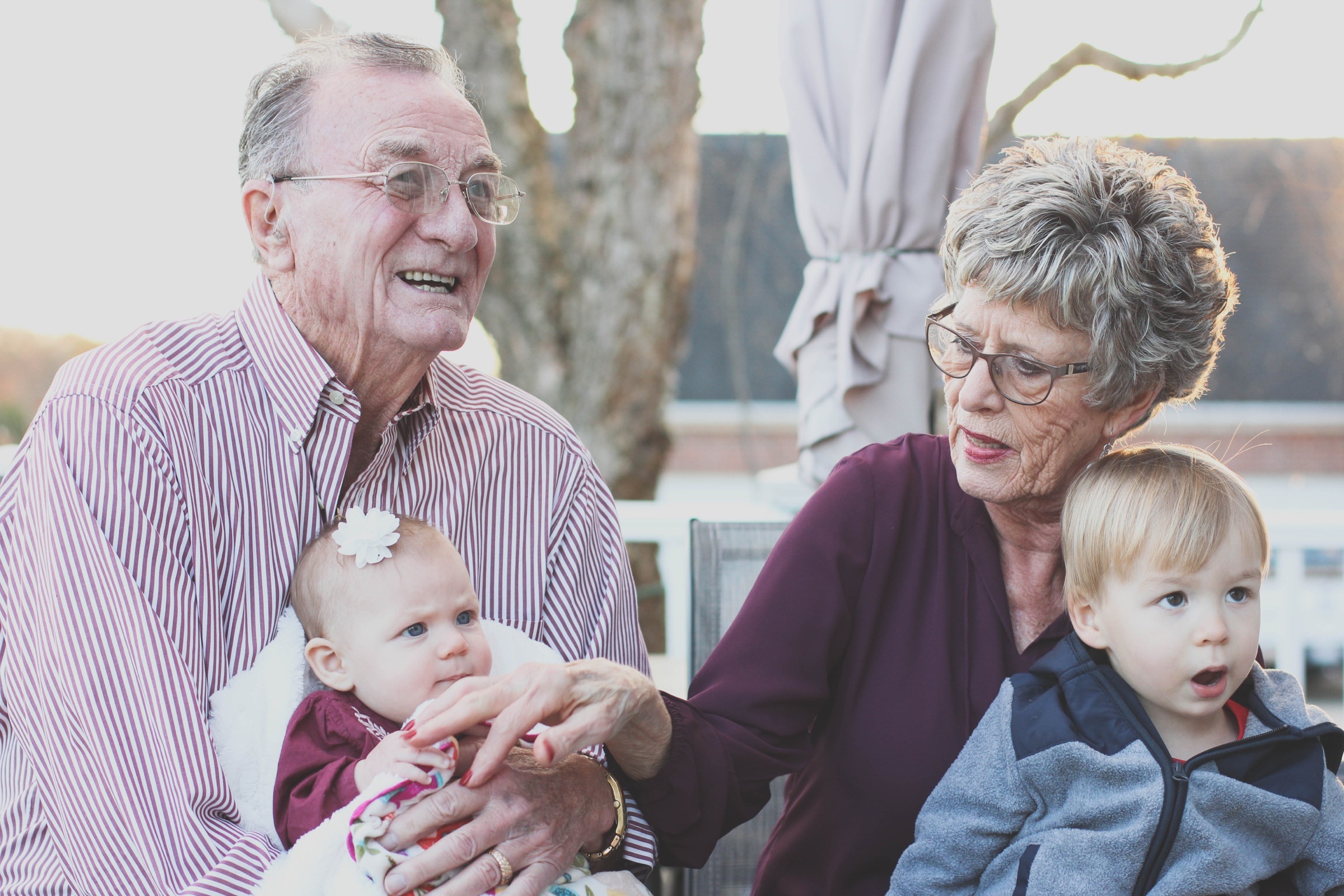
With age, the number of people we see every day can quietly get smaller. Leaving work, moving to a new home, changes in health or the loss of a partner or friend can all mean fewer chats and visits. Keeping in touch is more than just nice. Close bonds are tied to a brighter mood, a sharper mind and a stronger feeling that life has meaning. Below are some easy ways to keep those links healthy.
Stay Close to Family and Old Friends
The people already in your life are the best place to begin. A phone call on the same day each week, a regular coffee catch-up or a Sunday lunch together can become a highlight for everyone. Little touches count as well, like posting a card, sending a photo or asking a grandchild how their school work is going.
When loved ones live far away, video calls let you see their faces. A younger relative can help you set up a simple app on your phone or tablet.
Find a Group You Enjoy
Doing something together makes meeting new people feel natural. Many towns run activities just for older adults, such as:
- Walking groups and gentle fitness sessions
- Reading clubs at the public library
- Gardening, knitting or cookery groups
- Places of worship and local community centers
- Lessons in music, a new language or using technology
Try a group once or twice to see if it suits you. Feeling a bit shy the first time is completely normal.
Let Technology Help
Online courses, local web forums and group video chats mean you can take part from your own sofa on days when going out is tough. Many libraries offer free help sessions so older adults can feel at ease with phones, tablets and computers.
Share Your Time and Skills
Volunteering keeps you active and gives a real sense of being needed. Schools, hospitals, charities and animal rescue centers often look for helpers, and many roles have flexible hours. Passing on skills from your career or hobbies can feel very rewarding, and you will meet people who care about the same things you do.
Take Loneliness Seriously
Everyone feels lonely now and then, but long periods on your own can harm both mood and body. If you have stopped enjoying things you used to love, or you feel down on most days, speak with your doctor. They can point you to local services, support groups or talking therapy. The National Institute on Aging also shares useful advice.
Relatives can help by calling often and inviting older family members along to ordinary outings.
At WhatsOnTech we believe every friendship grows one chat at a time. Contact one person this week, and read more in our senior health section.
This article is general information only and is not medical advice.