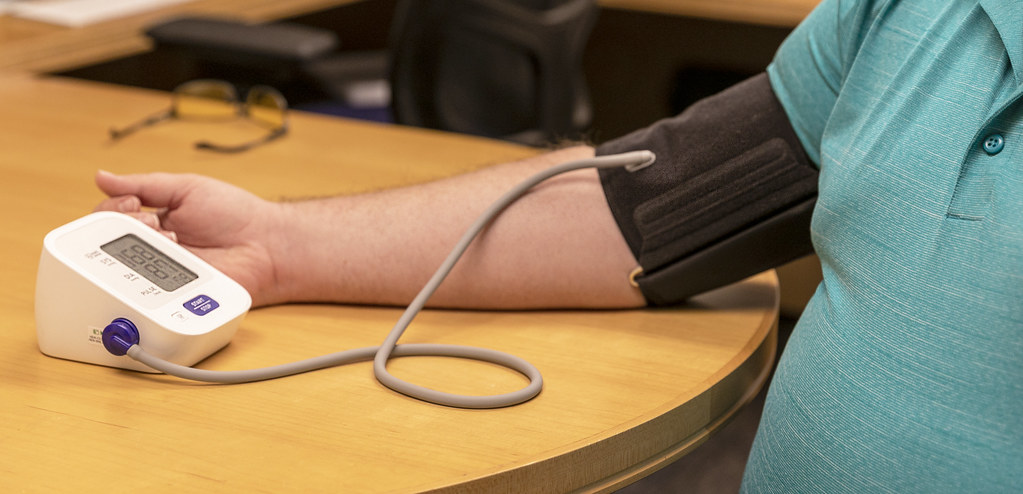
More and more people now measure their blood pressure at home, and it can be very useful. Numbers taken while you are calm in your own space may give a clearer view than one reading at the surgery, where plenty of people feel on edge. Still, little things such as how you sit or when you measure can shift the result. A few easy steps can help your readings stay steady and meaningful.
Pick a Good Monitor and Cuff
For most people, an automatic monitor with a cuff that wraps around the upper arm is the simplest choice. Getting the right cuff size really matters, because one that is too tight or too loose can give a wrong number. Look at the size range marked on the cuff and measure around the middle of your upper arm to compare.
Not sure what to buy? A pharmacist, practice nurse or doctor can point you to a tested and approved model and show you how it works.
Get Ready Before You Measure
Taking a moment to prepare helps a lot. Aim to follow the same steps every time you check.
- Skip coffee, cigarettes and exercise for around half an hour first.
- Go to the toilet before you sit down.
- Rest quietly for five minutes, without chatting or using your phone.
- Measure at about the same times each day, for example after waking and in the evening.
Sit the Right Way
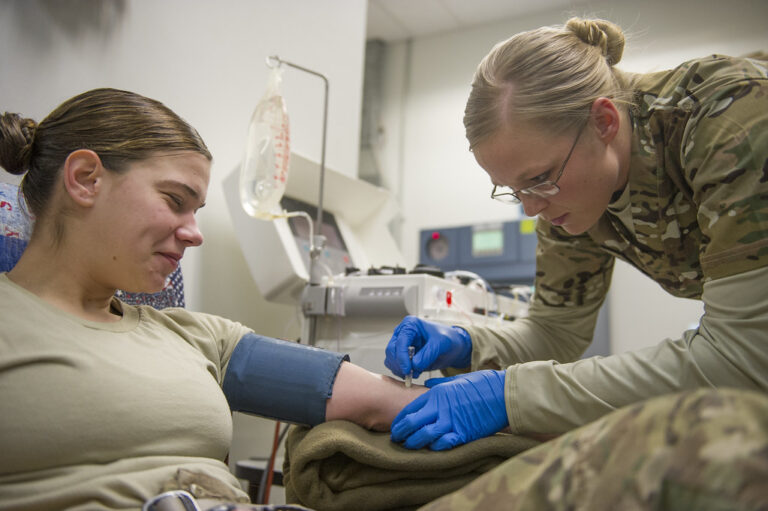
Your position has a big effect on how accurate the reading is. Use a chair that supports your back and keep both feet flat on the ground, with your legs uncrossed. Lay your arm on a table so that the cuff is roughly level with your heart.
Wrap the cuff straight onto your skin rather than over a sleeve, with its bottom edge a little above the inside of your elbow. It should feel firm but not squeeze too hard. Keep still and silent while the machine does its job.
Keep a Record for Your Doctor
A common tip is to take two readings about one minute apart and note down both. Write the date, the time and the numbers in a simple diary, or use the memory on your monitor. A paper notebook or a reliable app both do the job.
Take your record to check-ups so your doctor can see the overall trend. Do not change your medicines or routine just because of your own readings.
When to Get Help Fast
If you get a very high number or you feel unwell, especially with chest pain, a severe headache or trouble breathing, get medical help straight away.
At WhatsOnTech we believe home checks can give you and your care team useful facts. Find more guides in our medical tests and diagnosis section, and read the NHS page on high blood pressure.
This article is general information only and is not medical advice.