Doctors use blood tests very often to see how your body is doing. A single sample can show details such as your blood cell levels, your cholesterol and how well some of your organs are working. Feeling uneasy about needles is completely normal. Knowing the steps ahead of time can help the visit feel much easier.
Getting Ready for Your Visit
Your clinic or doctor will let you know if the test needs any special preparation. For some tests you may be asked to fast. This normally means you should not eat anything and should drink only water for a certain number of hours before your appointment. Always follow the advice you were given.
- Unless told not to, drink a good amount of water, since this can make your veins easier to reach.
- Choose a shirt or top with loose sleeves you can push up.
- Take your test form, some ID and a list of the medicines you use.
- Ask the clinic if you should take your usual medicines first.
What Happens During the Test
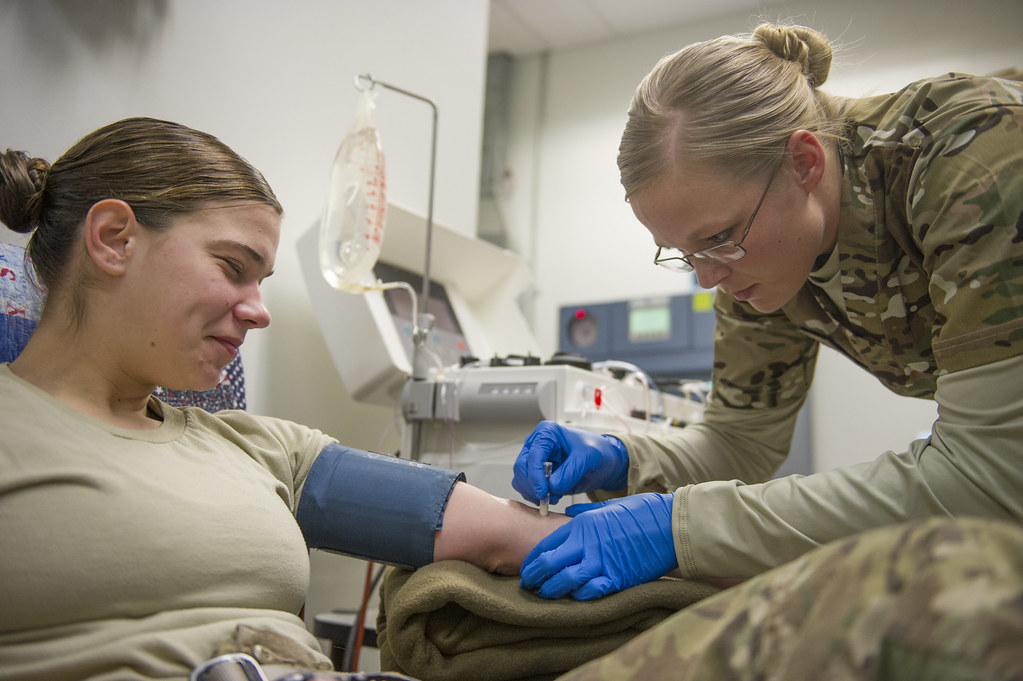
A nurse or trained blood collector will invite you to sit, check your name and details, and look for a good vein, often in the crease of your elbow. They will wrap a band around your arm above the elbow, wipe the area clean and gently put in a thin needle. You might notice a quick pinch or sting.
Your blood is collected in one or a few small labelled tubes that go off to the lab. The needle then comes out, and the nurse presses a cotton ball or plaster on the spot. From start to finish, it often lasts only a few minutes.
Feeling Nervous Is Okay
Let the staff know if you feel anxious or if you have ever fainted during a blood test. They can have you lie down and will be extra careful. Turning your head away, talking, playing music through earphones or breathing slowly can also help you keep calm.
Aftercare and Getting Your Results
Leave the plaster in place for a short while and try not to carry heavy things with that arm for a few hours. A little bruise is normal and usually goes away within a few days. If you had to fast, eating a small snack afterwards can help you feel more like yourself.
Waiting for Results
Results can come back within hours or take a few days. Your doctor will explain what they mean for you, because normal ranges vary between labs and people. Try not to focus on one number alone, and ask about anything you do not understand.
At WhatsOnTech we hope this makes your next test feel simple. See more guides in our medical tests and diagnosis section, or read the NHS guide to blood tests.
This article is general information only and is not medical advice.