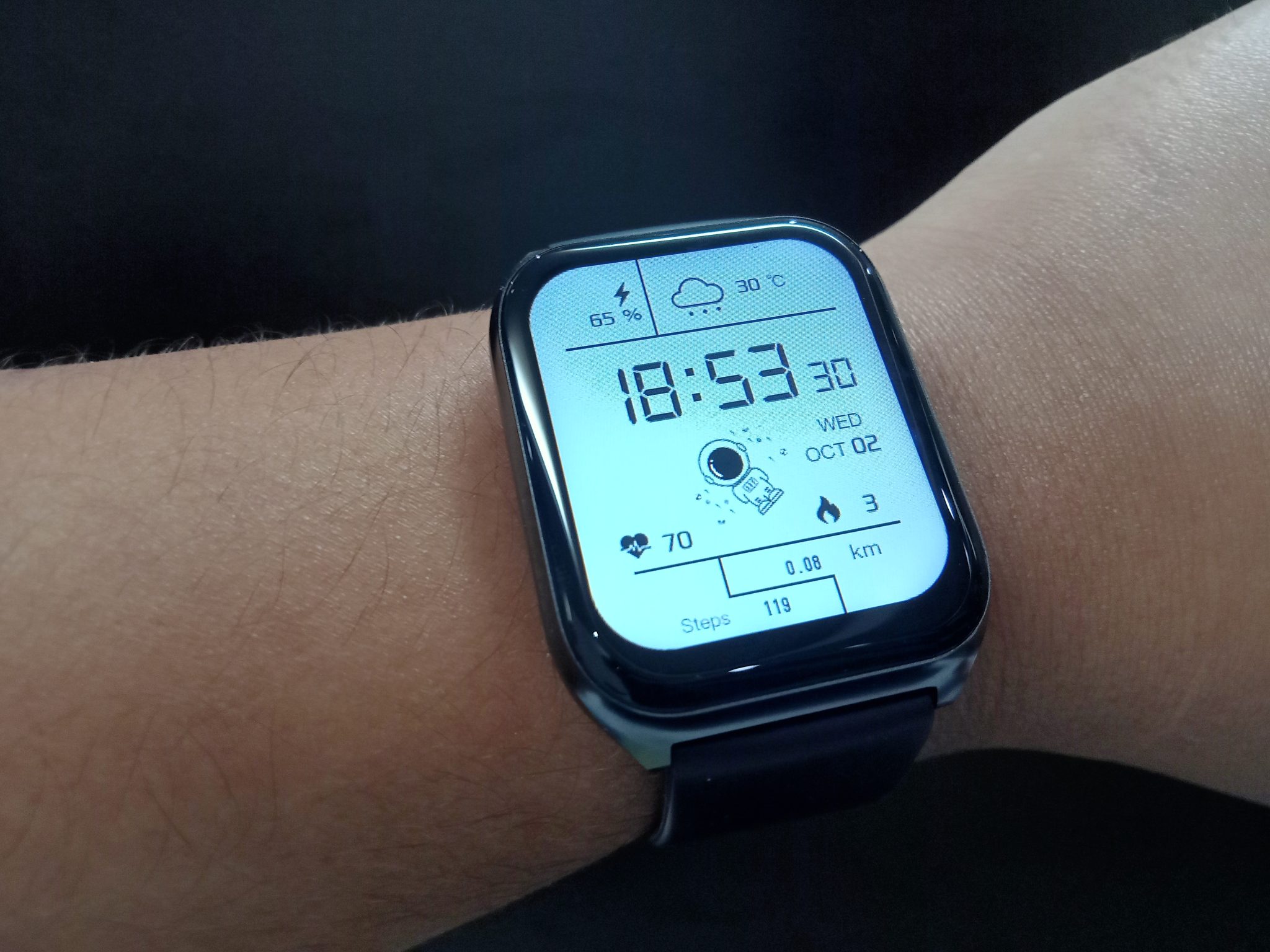
Smartwatches and activity bands are now part of daily life for a huge number of people. They log your steps, guess how well you slept, check your pulse and buzz to tell you it is time to get up and move. When you use them wisely, they can be a great way to stay motivated. Yet all those graphs and pings can also leave you feeling like you never do enough. These ideas can help you stay in charge of your device.
Pick Just a Few Numbers to Follow
Your tracker probably records much more than you need to check each day. Choose one or two figures that fit what you are working on right now, and let everything else sit quietly in the background.
- Steps or active minutes give an easy picture of how much you are moving.
- Hours of sleep can nudge you to guard your bedtime.
- Patterns across a week usually tell you more than a single day.
Most apps let you move or hide screens, so the numbers you care about show up first.
Treat the Readings as Rough Guides
Wearables are handy helpers, but they are not medical equipment. Calories, steps and sleep stages are worked out from motion and sensors, so they can differ from one brand to another, and even between your left and right wrist. Use them to notice general trends, not as exact results.
If your watch shows something that concerns you, like a heart rate that seems unusual, try not to worry or guess what it means by yourself. Show the data to your doctor, who can see the whole picture.
Choose Goals That Feel Kind
The goals a device starts with are not right for everybody. If 10,000 steps a day feels too far away, set a smaller number you can reach on most days and raise it bit by bit. Hitting a modest target often feels far better than failing a big one day after day.
Remember that plenty of good movement may not be fully counted, such as yoga, digging in the garden, swimming or chasing the kids around the park. It still matters, even if your watch misses it.
Step Away From the Stats Sometimes
If looking at your numbers starts to make you anxious, switch off a few alerts or leave the tracker in a drawer for a couple of days. Noticing how you really feel, from your energy and mood to how rested you are, is just as important as any graph. Many people enjoy their device more after a little time off.
At WhatsOnTech we see a tracker as a friendly helper, not a judge. Keep things simple, set gentle goals and listen to your body. Explore more in our health technology section, and check the WHO advice on physical activity.
This article is general information only and is not medical advice.