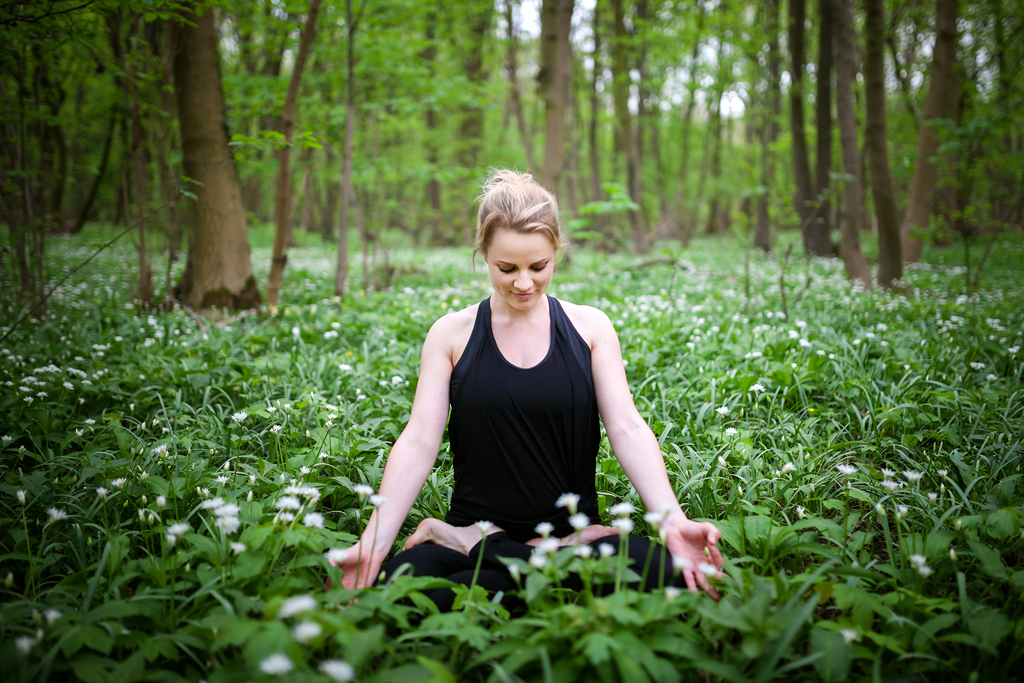
On hectic days, we often overlook something we always have with us: our breathing. When we feel stressed, our breaths tend to become short and fast, which can make us feel even more on edge. Choosing to breathe more slowly sends a signal to your body that it can settle down. These exercises only need a few minutes, and you can do them sitting at work, parked in the car or lying in bed.
Start With Belly Breathing
A good first exercise is belly breathing, which some people call diaphragm breathing. Get comfortable in a chair or on your back. Rest one hand on your chest and the other just above your belly button.
Take a slow breath in through your nose, letting your tummy push your lower hand outward while your upper hand hardly moves. Then let the air flow softly out through your lips and feel your tummy sink back. Keep going for two to three minutes at a relaxed, unhurried pace.
The Four Count Box Method
Box breathing follows a simple, even count, which gives a busy mind something peaceful to hold on to. It can be useful just before a test, an interview or a tricky talk with someone.
- Slowly fill your lungs through your nose while counting to four.
- Pause softly, counting to four again.
- Let the air out gently over another count of four.
- Pause once more for four, then start the cycle again.
If the pauses feel uncomfortable, leave them out and just keep your breaths slow and even.
Breathe Out a Little Longer
Letting each breath out last a bit longer than the breath in can feel very soothing. For example, breathe in while counting to four, then breathe out while counting to six. It may help to picture yourself blowing softly on a hot drink or through a thin straw. Many people find this pattern helpful at bedtime.
Turn It Into a Daily Habit
These exercises help most when you practise them often. Pair them with something you already do each day, like making your first cup of coffee, sitting on the bus or getting ready for bed. A quiet alarm on your phone can also nudge you. Begin with a minute or two and slowly add more time when you feel ready.
Stay Safe and Ask for Support
If you start to feel faint or dizzy, stop and let your breathing return to normal. If stress or anxiety feels constant or too heavy to manage, talking to a doctor or mental health professional is a healthy and brave step.
At WhatsOnTech we hope you find a method that suits you. Try one for five minutes today. Read more in our stress management section, or follow the NHS breathing exercise for stress.
This article is general information only and is not medical advice.