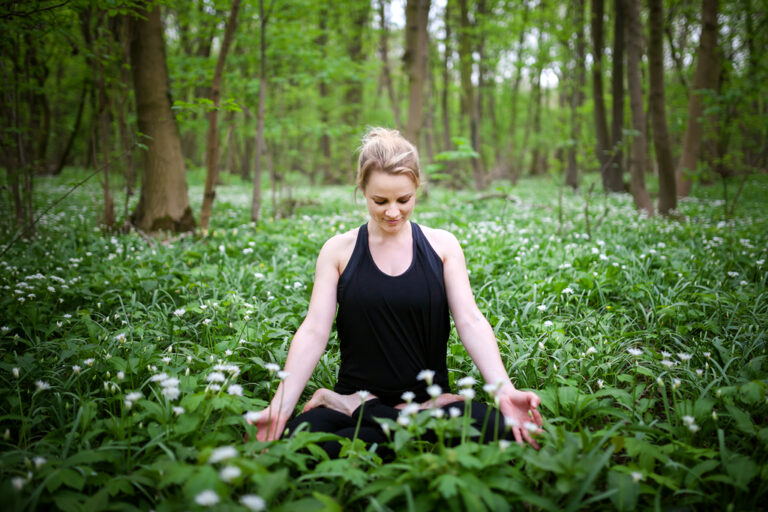
When the day is over, lots of us take our jobs, housework and worries straight to bed with us. If there is no break, your thoughts can keep spinning even though your body feels worn out. A night routine is just a group of calm, familiar steps that tell your brain it is time to wind down. It does not have to be long or flawless. Half an hour of soothing habits can make a real difference to how relaxed you feel.
Draw a Line Under the Day
A very useful first step is deciding when your working day truly ends. Pick a time each night after which you no longer look at emails, chats or work messages. Jotting down a quick plan for the next day can also help, because it takes those nagging reminders out of your head and puts them on paper.
Clearing one small spot, like a desk or the kitchen worktop, can give you a pleasant feeling that the day is done.
Soften the Light Around You
Strong light and bright screens keep your brain switched on. As the night goes on, turn on gentle lamps instead of ceiling lights and turn down the brightness on phones and tablets. Where possible, set your phone aside or switch it to silent at least 30 minutes before you go to sleep.
- Pick up a printed book instead of scrolling.
- Put on soft music, a calm podcast or an audiobook.
- Turn on the warm or night light mode on any screen you still use.
- Leave your phone charging in another room if you can.
Enjoy Activities That Calm You
Your night routine should feel like something to look forward to, not one more chore. Choose a few things that help you feel peaceful. Popular ideas include a warm bath or shower, some gentle stretches, writing in a journal or sipping a caffeine free herbal tea. Others like slow breathing or a short guided relaxation track.
Try to have big meals, hard workouts and stressful talks earlier in the evening, as they can make it tougher to settle down.
Repeat It Most Nights
A routine works best when you do it again and again. Following the same steps at about the same time every night teaches your body when rest is coming. Try to go to sleep and get up at similar times each day, weekends included, as far as your plans allow.
When Rest Still Feels Hard
If relaxing is still difficult, or you often lie awake with a busy, worried mind, a doctor or counsellor can give you support that fits your needs.
At WhatsOnTech we see a night routine as a small act of self care. Begin with one or two steps and build from there. Find more ideas in our stress management section, and see these NHS tips for better sleep.
This article is general information only and is not medical advice.