Brushing and flossing are the base of a healthy mouth, but your plate and your cup play a big part too. Each time you eat or drink, the sugar and acid in that food meet your teeth. By making a few careful choices through the day, you can help guard your enamel, keep your gums in good shape and protect your smile. These simple ideas are easy for the whole family to follow.
Foods Your Teeth Will Thank You For
Plenty of ordinary foods are great for teeth. Crunchy fruit and vegetables take a lot of chewing, and chewing boosts saliva, which is the mouth’s own way of washing away bits of food.
- Crunchy fruit and veg: apples, carrots, celery and cucumber.
- Dairy: milk, cheese and plain yogurt, which all supply calcium.
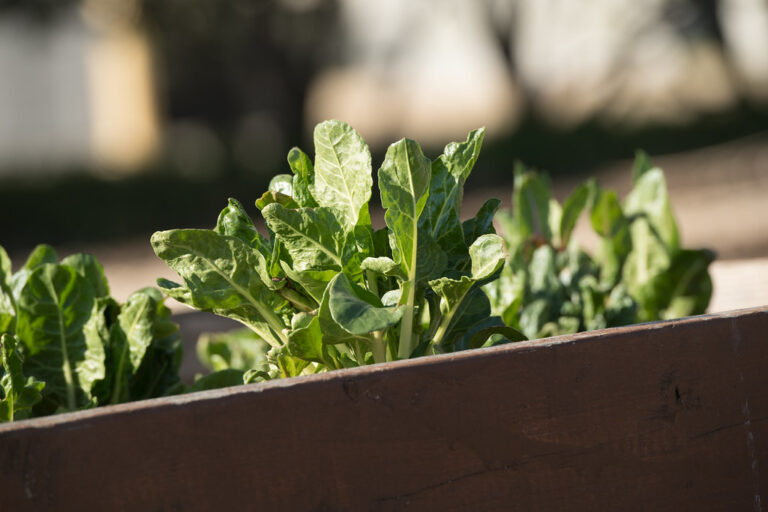
- Leafy greens: spinach and kale bring vitamins and minerals.
- Nuts and seeds: a filling snack with very little sugar.
- Lean protein: eggs, fish and beans as part of a balanced diet.
Pick Your Drinks With Care
For everyday drinking, water is the top choice for teeth. It rinses away food and stops your mouth from feeling dry. In many places, tap water also has fluoride added, which helps make enamel stronger. Fizzy drinks, sports drinks, sweet coffees and even fruit juice can soak teeth in sugar and acid. If you like these drinks, enjoy them with a meal instead of sipping them slowly for hours, so your teeth are exposed for less time.
Tea, coffee and red wine can slowly stain teeth as well. A quick swish of water afterwards can help.
When and How Often You Snack
How often you eat matters as much as what you eat. Nibbling on sweet or starchy snacks all day gives the bacteria in your mouth more chances to make acid. Keeping treats to mealtimes and leaving longer gaps between snacks is gentler on teeth. Sticky foods such as dried fruit, toffee and jelly sweets tend to cling on, so brush or rinse after eating them.
After something acidic like an orange, wait a little before brushing so your enamel can settle.
Combine a Good Diet With Good Habits
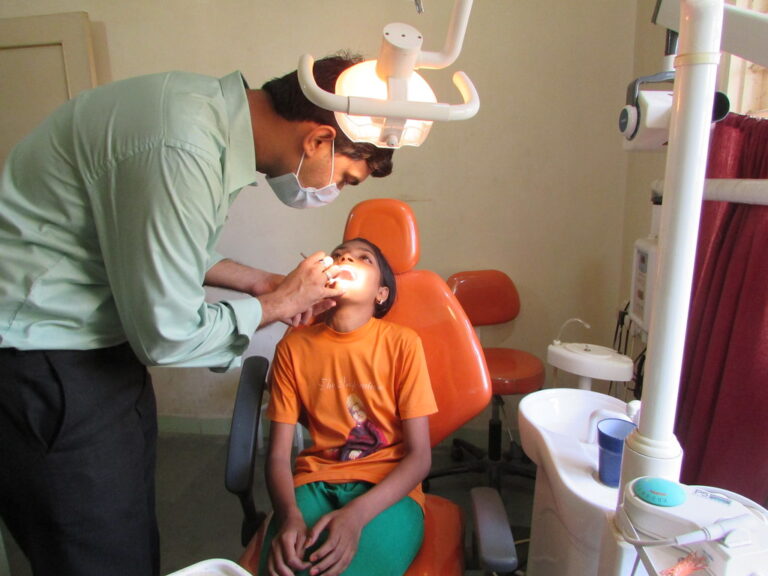
Healthy food works best together with brushing twice a day using fluoride toothpaste, cleaning between your teeth and seeing the dentist regularly. Your dentist can catch early problems and give advice about your diet. The NIH dental health information pages have more helpful facts. At WhatsOnTech we think small choices really add up, and you can find more tips in our dentistry section.
This article is general information only and is not medical advice.