Plenty of people skip stretching and jump straight to faster, sweatier workouts. Yet stretching has a real part to play in how your body moves and feels. Doing it often can leave you less stiff, make daily movement more comfortable and help you wind down in the evening. At WhatsOnTech we love that a basic routine takes only a few minutes and needs no special space or kit.
How Stretching Can Help You
Lots of people find that regular stretching makes everyday actions like reaching up, bending down and twisting around feel smoother. It can loosen the tight feeling that creeps in after hours in a chair, and it may help you feel calmer too.
Stretching also gives you a moment to slow your pace and pay attention to your breath. For many, those few quiet minutes turn into a peaceful part of the day. You do not have to be bendy to begin. Every person starts from where they are.
Warm Your Body First
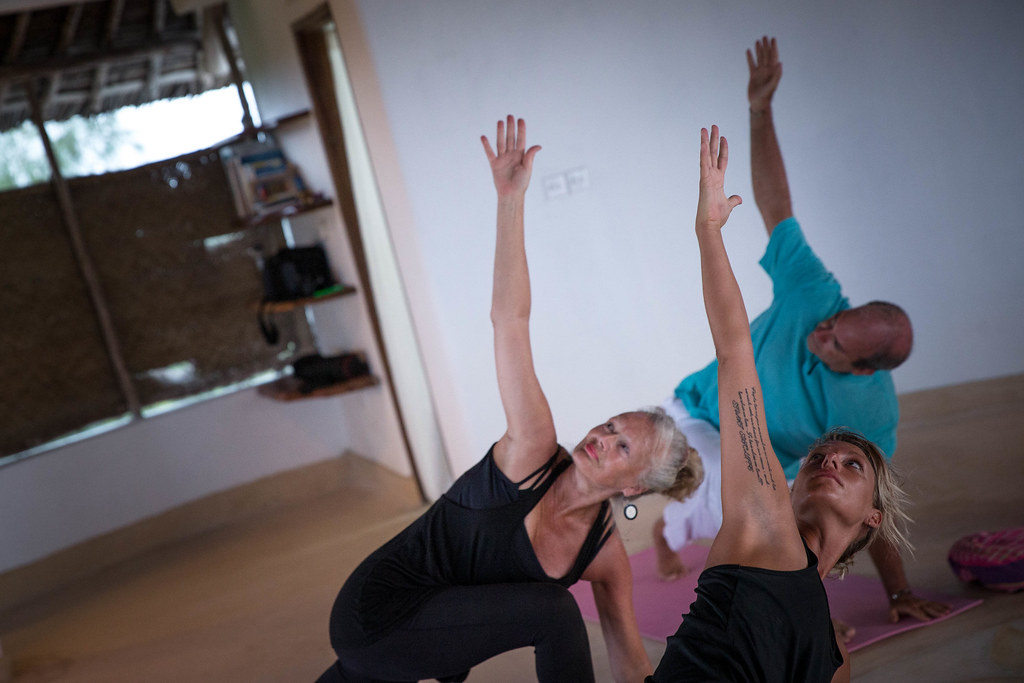
Muscles usually stretch more easily once they are warm. Spend a few minutes moving lightly first, for example marching on the spot, making small circles with your arms or walking around the house. This gets your body ready and makes each stretch feel kinder. Another good time to stretch is straight after a walk or a workout, while you are already warm.
An Easy Routine for Beginners
Ease into each position slowly, avoid bouncing and keep your breathing calm and steady. The NHS also shows simple flexibility moves you can follow at home.
- Neck stretch: gently lower one ear toward your shoulder, pause, then change sides.
- Shoulder rolls: circle your shoulders forward several times, then backward.
- Chest opener: link your hands behind you and gently lift your chest.
- Hamstring stretch: sit with one leg straight out and reach softly toward your foot.
- Calf stretch: lean your hands on a wall with one foot placed behind you.
- Hip flexor stretch: kneel on one knee, place the other foot in front and shift your weight forward a little.
Pay Attention to How You Feel
A good stretch feels like mild pulling, not a sharp or stabbing pain. If a move hurts, back off or leave it out. You will improve by stretching regularly, not by forcing yourself further, so try to stretch a few times each week and let your range of motion grow at its own speed.
If you are healing from an injury, live with lasting back or joint pain, or are not sure which moves are safe, ask a physiotherapist or doctor for advice that fits you.
A Few Minutes Well Spent
Stretching asks for very little time but can make daily movement feel easier. Begin with a small set of stretches, add slow breathing and treat it as time to look after yourself. For more ideas, visit our fitness and exercise section.
This article offers general information and is not medical advice.