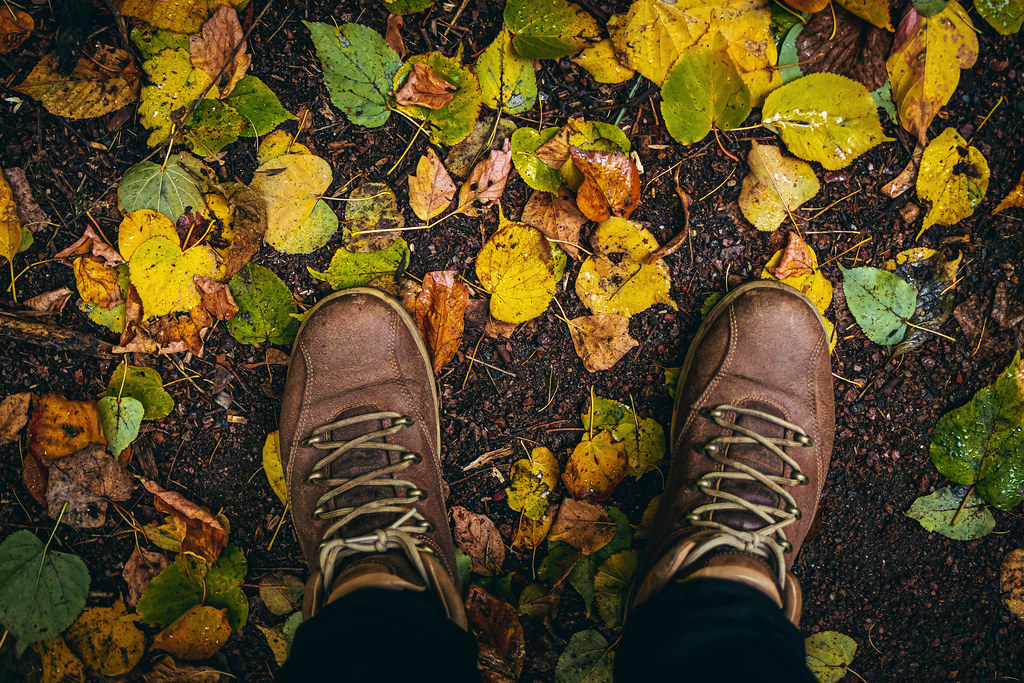
Few kinds of exercise are as easy to begin as walking. You do not have to pay for a gym, learn a new skill or buy much gear, apart from a pair of comfortable shoes. Walking often can help keep your heart healthy, brighten your mood and give you more energy. It also slips into a full day far more easily than most workouts. At WhatsOnTech we think it is one of the best habits a family can build together.
What Makes Walking So Useful
Health experts usually advise adults to stay active across the whole week, and a brisk walk is one of the simplest ways to reach that goal. The World Health Organization explains how much activity people of different ages need. For many people walking is kind to the joints, and you can speed up or slow down to match how fit you feel. Because you can do it nearly anywhere and at any hour, it is a habit that is easy to keep for years.
A walk outside also gives you fresh air, natural light and time away from screens. Plenty of people notice that even a few minutes on foot helps them think more clearly once they sit back down.
Fit Extra Steps Into Your Day
There is no need to block out an hour just for walking. Little choices made through the day soon add up:
- Use the stairs rather than the lift whenever possible.
- Leave the car at the far end of the car park, or hop off the bus one stop sooner.
- Pace around the room while you talk on the phone.
- Go for a short walk after a meal.
- Invite a friend for a walk in place of a coffee catch-up.
Keep It Fun
People tend to stick with the habits they enjoy most. Play some music, a podcast or an audiobook as you go. Try a new street, a local park or a nature trail so each walk feels a little different. Counting your steps with a phone app or a basic step counter can also be a nice way to see how far you have come.
Bringing along a partner, a child or the family dog turns your walk into shared time. Soon it may feel like a treat rather than a job.
Stay Safe on Every Walk
Wear shoes that support your feet and clothes that suit the weather. In hot spells, carry water and head out early or later in the day when it is cooler. After dark, choose bright or reflective clothing so drivers and cyclists can spot you.
Begin at an easy pace and slowly build up how long or how far you go. If you have heart problems, sore joints or any other health worries, speak to your doctor before you start a new exercise plan.
Small Steps Add Up
Movement does not have to be hard to be helpful. A few extra steps each day on routes you like can support your body and mind for a long time. Discover more ideas in our fitness and exercise section.
This article is general information and is not medical advice.