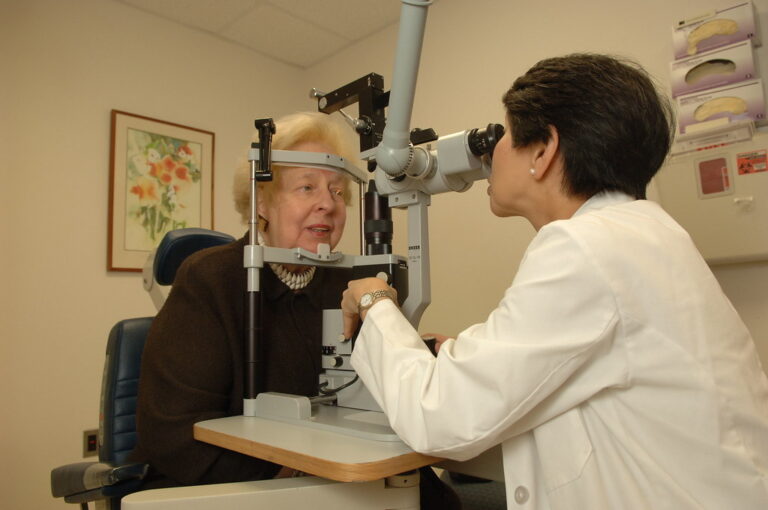
Aging can cause vision changes and affect your ability to perform daily tasks comfortably. Some age-related eye conditions develop gradually, so regular eye evaluations help identify changes that don’t cause noticeable symptoms. A retina specialist evaluates retinal health and identifies concerns that could affect long-term vision. Here are some benefits of consultations with a retina specialist:
Detects Diseases Early
Many retinal diseases develop slowly and produce no symptoms in their early stages. Some people with macular degeneration or diabetic retinopathy notice nothing until damage has already occurred. A retina specialist uses advanced imaging tools, and these show details a standard eye exam does not reveal. When a problem is found early, treatment begins sooner. A specialist screens for conditions such as:
- Age-related macular degeneration
- Diabetic retinopathy
- Retinal tears and detachments
- Macular holes
- Retinal vein occlusions
Manages Age-Related Conditions
Age-related macular degeneration and diabetic retinopathy often require ongoing care. A retina specialist creates a treatment plan, and they adjust it as your condition changes. Because these diseases progress at different rates, follow-up visits are scheduled based on your needs. Treatment options include injections, laser therapy, and sometimes surgery. Anti-VEGF injections slow the growth of abnormal blood vessels, and laser therapy seals blood vessels when they threaten central vision. Regular monitoring lets your specialist track results and determine whether a different approach will work better. You also receive guidance on habits that support retinal health. Not smoking, managing blood sugar, and controlling blood pressure help lower the risk of further damage.
Addresses Structural Changes
As you age, the vitreous gel inside your eye begins to shrink and pull away from the retina. This process is called posterior vitreous detachment. It is common, and it often causes new floaters or flashes of light. In some cases, the pulling force tears the retina, and fluid may pass through the tear if it is not treated. A detached retina is a medical emergency. Warning signs include a sudden increase in floaters, repeated flashes, or a shadow over part of your vision.
A retina specialist examines these changes. If a tear is present, laser treatment or freezing therapy can seal it during a short office visit. Other structural problems include macular holes and epiretinal membranes, both of which affect central vision. Surgery can restore the shape of the retina, and many patients go home the same day. Prompt evaluation of new symptoms improves the chance of a successful repair. Your specialist explains each option, so you understand what to expect before treatment begins.
Visit a Retina Specialist
Retinal health changes with age, so regular specialist care is useful over time. A retina specialist detects disease early, manages ongoing conditions, and treats structural problems. If you notice floaters, flashes, blurry central vision, or a shadow in your side vision, schedule an appointment promptly. You can also ask your optometrist or general ophthalmologist for a referral. Routine visits give you accurate information about your eyes, and they help you make informed decisions about your care. Contact an eye doctor today to schedule an evaluation.