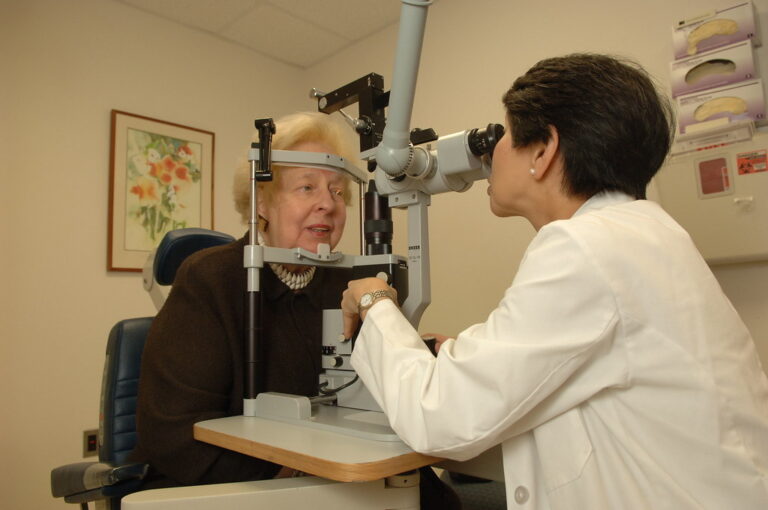
Planning an eye procedure involves more than choosing a date on the calendar; it starts with a focused conversation with your surgeon. Eye surgeons handle a wide range of procedures, from glaucoma treatments to lens and corneal surgery. Each one has its own risks, steps, and recovery pattern.
Clarifying the Diagnosis
Begin by asking your
to explain your diagnosis in plain language, as that frames every decision that follows. You want to know what structure in the eye is affected, how advanced the condition is, and what happens if you delay or decline surgery. Some eye conditions respond to medication or laser treatment; others need surgery to protect vision. Your surgeon can outline every reasonable option. They describe what each one involves. Ask which option they recommend for your case, and ask how your general health influences the plan.
Asking About the Procedure
Once you understand the diagnosis, shift to the details of the procedure. Those details shape your preparation and recovery. Ask where the surgery will take place and whether you will go home the same day or stay overnight. Eye surgeons often use local anesthesia with sedation, so you may want to know who provides the anesthesia. Discuss what you might feel, and ask how long the operation usually takes. Check what instruments or devices are involved, while asking how the procedure differs from alternatives.
- What are the specific goals of this surgery for my vision and eye health?
- What are the main risks and possible complications, and how are they handled if they occur?
- How often do you perform this procedure, and what outcomes do you typically see?
- Will I need surgery on the other eye as well, either now or later?
- What will I be able to do the day after surgery, and what activities need to wait?
Choosing a Surgeon
Recovery planning deserves the same level of attention as the procedure itself, because it affects your day-to-day life. Ask how long healing usually takes, and ask which symptoms are expected. Understand which symptoms require a phone call or urgent visit. You will want to know what eye drops or medications you will use. Ask how long treatment typically lasts.
Ask about driving, work, exercise, and screen use, and ask whether you need a friend or family member to help in the first few days. When you know the schedule for follow-up visits, you understand the warning signs. Give yourself a smoother path through recovery.
Find Eye Surgeons Today
Choosing among eye surgeons involves both medical and practical questions, so it helps to ask about training, experience, and communication style. Ask how your surgeon stays current with new techniques, and ask who will see you at each follow-up visit. The practice behind your surgeon also matters, because you rely on their systems. Ongoing care plays a central role in managing glaucoma and other chronic eye conditions. When you find a surgeon who explains options clearly, answers questions directly, and outlines a long-term plan for your eyes, you gain a partner for your vision.