Snacking is often seen as a bad habit, yet it can fit nicely into a healthy way of eating. A smart snack can keep your energy even, help you get through the afternoon dip and stop you from sitting down to dinner feeling starving. The trick is to choose foods that really fill you up instead of leaving you peckish again soon after. At WhatsOnTech we have gathered some easy ideas the whole family can enjoy.
What Keeps You Full for Longer
Snacks that last usually mix at least two of three things: protein, fiber and a small amount of healthy fat. Your body takes more time to break down protein and fat, and fiber adds volume. Put together, they keep hunger quiet for much longer than a snack built mainly on sugar or white flour.
Try to eat when you are truly hungry, not just bored or following a habit. Pausing for a moment to ask yourself how you feel can help a lot. Having a drink of water first is also worth a try, because it is easy to confuse thirst with hunger.
Tasty Pairings to Try at Home
These simple combinations bring protein, fiber and flavor together. Swap items around depending on what is in your kitchen:
- Apple or pear slices with a spoon of peanut or almond butter
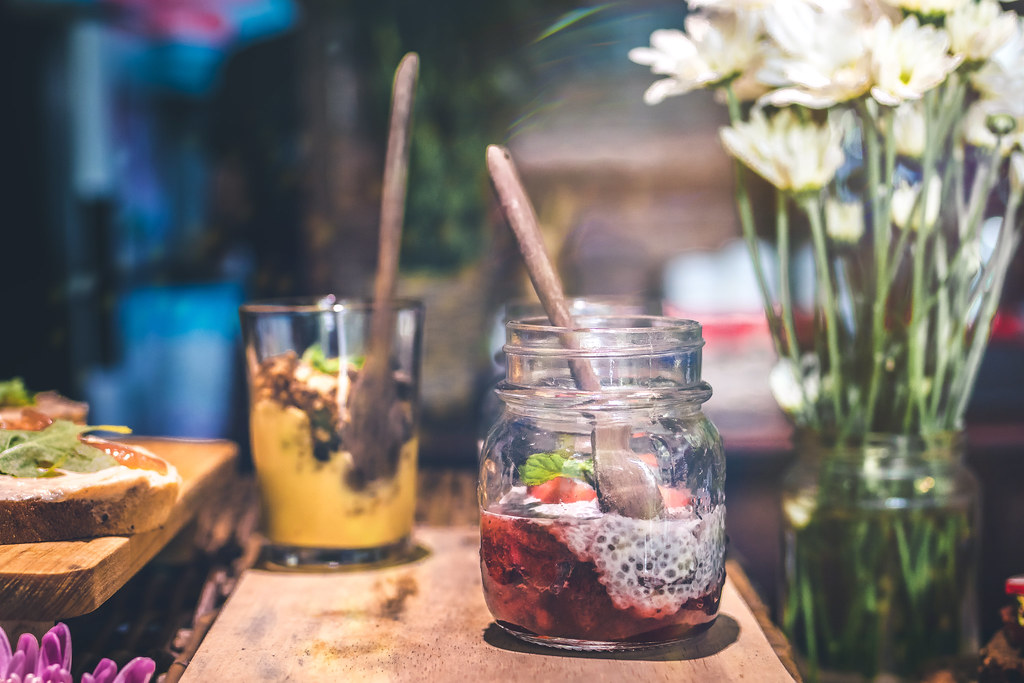
- Unsweetened yogurt with berries and a pinch of oats
- Cucumber and carrot sticks dipped in hummus
- A small mix of nuts and a few pieces of dried fruit
- Whole grain crackers with a slice of cheese
- A boiled egg with a piece of fresh fruit
Get Ready for Hectic Days
Hunger often hits hardest when nothing healthy is nearby. Taking a little time early in the week to prepare snacks can keep you away from vending machines and fast food. Chop some vegetables, split nuts into small tubs or boil a few eggs to store in the fridge.
Tucking a snack into your bag, your desk or the car means a good choice is always close when the day runs long. Leaving a bowl of clean fruit on the kitchen counter is another gentle push in the right direction. The NHS also shares helpful snack swaps for families.
Keep an Eye on Portion Size
Healthy snacks can still add up when servings get too big. Putting your snack in a small bowl, rather than eating from the bag, helps you enjoy it with more attention. Eating slowly and away from screens gives your body the time it needs to tell you it has had enough.
If you live with diabetes or have particular nutrition goals, your doctor or a registered dietitian can suggest snacks that work for you.
Plan Ahead and Enjoy
Good snacking is about planning and balance, not strict rules. Pick foods you love, combine nutrients that keep you full and keep healthy options handy. For more tips, see our nutrition and diet section.
This article is general information only and is not medical advice.