Day and night, your kidneys clean your blood, and your bladder stores the waste until it is time to go. This whole system, called the urinary tract, works best when you give it enough fluid. Still, busy days have a way of slipping by, and many of us look up at bedtime to find we have hardly had a drink since breakfast.
How Drinking Enough Helps
With plenty of fluid on board, your body makes urine at a steady rate, and that flow carries waste out on a regular basis. Health experts often list good hydration as part of caring for the kidneys and bladder. How much each person needs depends on body size, how active they are, the weather and their general health, so one fixed amount does not suit everybody. People often feel less thirsty as they get older, which is why regular drinking habits matter even more later in life.
Signs to Look Out For
Your body sends simple signals that tell you how well you are keeping up.
- Urine that is a light straw color usually means you are drinking enough.
- A darker yellow color can be a hint to drink a bit more.
- Feeling thirsty, tired or having a dry mouth are early nudges to top up.
- Warm weather and exercise normally raise the amount your body needs.
Keep a Drink Close By
A habit sticks when it is easy. Take a refillable bottle when you leave the house, keep a glass of water on your desk, and have a drink alongside every meal. If plain water tastes dull, drop in a slice of lemon or cucumber, or a few mint leaves. Phone reminders can help, and so can tying a drink to things you already do, like brushing your teeth in the morning.
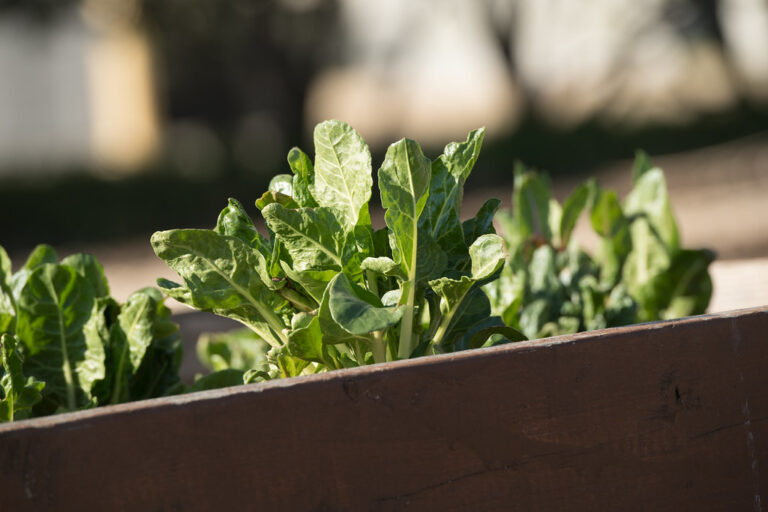
Food can top you up as well. Juicy fruits and vegetables such as melon, oranges, lettuce and cucumber, along with soups, all add to your daily fluid.
Keep Other Drinks in Balance
Tea, coffee, soft drinks and alcohol are part of daily life for many families. For some people, though, these drinks can bother the bladder or send them to the toilet more often. There is no need to cut them out completely; just enjoy them in sensible amounts and drink water too. Sipping through the day, instead of drinking a lot all at once, is also kinder to your bladder.
At WhatsOnTech we see water as one of the easiest ways to look after this part of the body. The NIDDK guide to how the urinary tract works shares more detail, and our urology section has related reads. Contact a doctor if peeing hurts or burns, if you see blood, if you need to go very often, or if anything else worries you.
This article is general information only, not medical advice.