Food advice can be hard to follow when the headlines seem to change all the time. A tool that many nutrition experts agree on is the balanced plate. Rather than tracking every calorie or giving up whole food groups, you let the plate itself show you what to serve. At WhatsOnTech we like it because it is easy to remember, it bends to fit your tastes, and it works just as well at breakfast as it does at dinner.
Make Vegetables and Fruit Half the Plate
Produce adds color, fiber, vitamins and minerals to every meal, so let it take up the biggest space. Fresh, frozen and tinned choices all count, as long as they have no added sugar or salt. That means you can pick whatever suits your budget and your week.
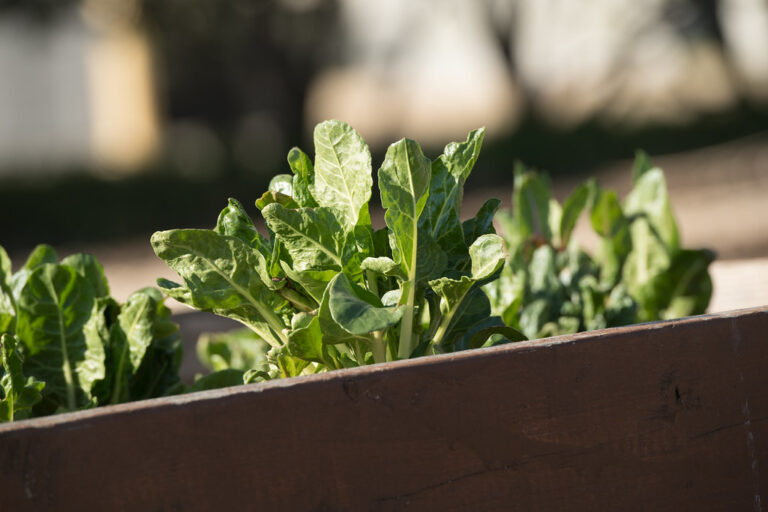
Aim for many different colors over several days. Spinach, carrots, peppers, berries, tomatoes and beans each bring their own mix of nutrients. When fresh produce is hard to get, frozen vegetables are a smart backup, since they are frozen soon after picking and make fast weeknight meals simple.
Give a Quarter to Protein
Protein keeps you feeling full and helps your muscles stay strong. Use roughly one quarter of the plate for a protein food your family likes, for example:
- Lentils, chickpeas or other beans
- Eggs or unsweetened yogurt
- Chicken or fish
- Tofu, tempeh or a small handful of nuts
Beans and lentils give you fiber on top of protein, so they pull extra weight. If meat is on the menu, lean cuts and a mix of different sources across the week keep things healthy and varied.
Save the Last Quarter for Whole Grains
The remaining space goes to starchy foods, your main source of energy. Brown rice, oats, quinoa, whole wheat pasta and whole grain bread hold on to more fiber than their white, refined versions. Potatoes and sweet potatoes can sit in this section too.
The fiber in whole grains helps you stay satisfied for longer, supports good digestion and keeps your energy more even through the day.
Do Not Forget Good Fats and Drinks
A little healthy fat, like olive oil, avocado or seeds, brings flavor and helps your body take in some vitamins. Choose water or another drink without sugar instead of fizzy soft drinks. Herbs, spices, garlic and fresh lemon juice add lots of taste without piling on salt. The NHS Eatwell Guide is a helpful picture of these proportions.
If you have allergies, special diet needs or a health condition, a registered dietitian can help you shape the plate around you.
Aim for Balance, Not Perfection
Some meals will lean toward grains and others will be mostly vegetables, and that is fine. Treat the plate as a friendly guide and let variety do the heavy lifting over time. Find more ideas in our nutrition and diet section.
This article is for general information and is not medical advice.